
What is GDV?
If you’ve ever heard the term “bloat” in dogs, you may have thought it referred to a dog feeling a little gassy or uncomfortable after a meal. Unfortunately, the reality is far more serious

If you’ve ever heard the term “bloat” in dogs, you may have thought it referred to a dog feeling a little gassy or uncomfortable after a meal. Unfortunately, the reality is far more serious
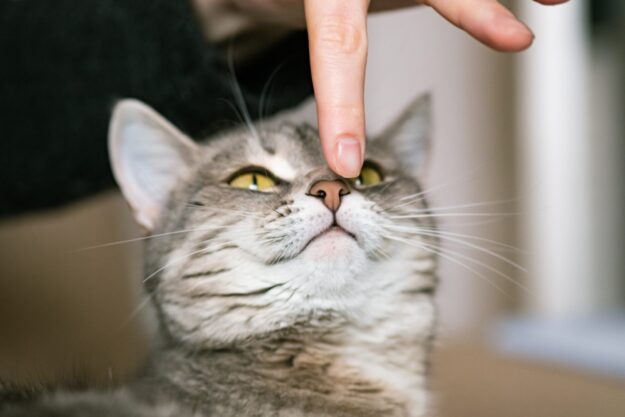
When we think of tick-borne diseases, dogs often come to mind. But did you know that cats are also vulnerable to serious illnesses caused by tick bites?
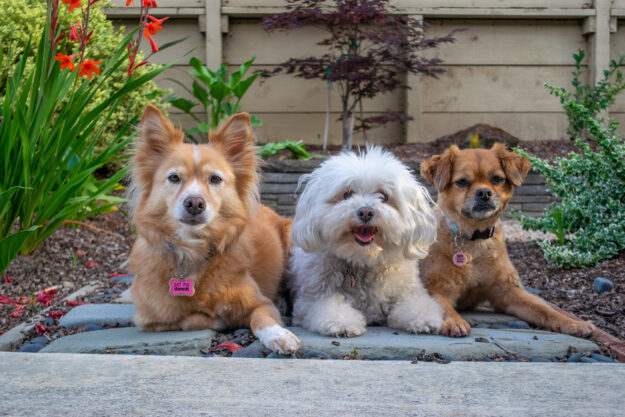
What is prostate disease and how does neutering affects the prostate? The evidence shows the benefits and limitations of neutering in preventing prostate disease.
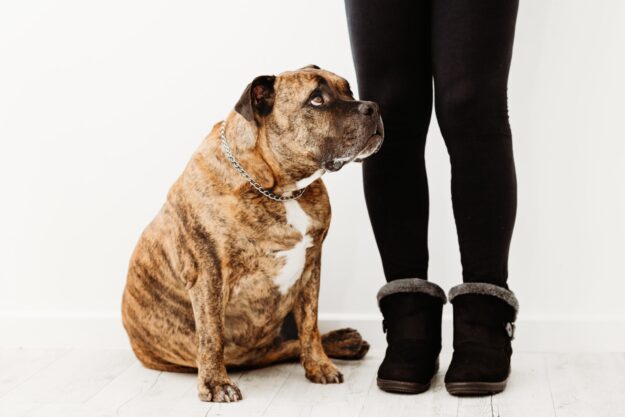
Many dog owners don’t realise their beloved pup is overweight until health problems start to appear. The good news is: by learning what causes weight gain and how to prevent it, you can help your dog live a longer, healthier, and more energetic life.

As pet owners, we’re often quick to notice if our dog or cat is limping, not eating, or acting out of the ordinary—but changes in their eyes can be subtle and easy to overlook.

As pet owners, we’re often quick to notice if our dog or cat is limping, not eating, or acting out of the ordinary—but changes in their eyes can be subtle and easy to overlook.
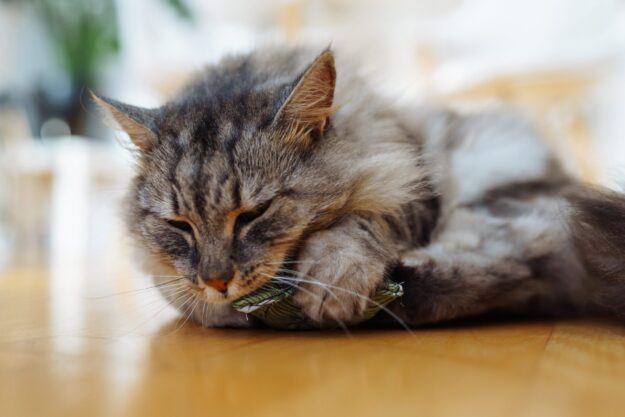
As a cat owner, it’s important to understand what hepatitis is, what causes it, how to recognize the signs, and what treatment options are available.

Some conditions develop quietly, gradually causing discomfort without us even realizing it—one such condition is hyperkeratosis. Often referred to as “crusty nose” or “hairy feet,” hyperkeratosis in dogs is a skin disorder that causes thickened, dry, and often cracked skin on the paws and nose.
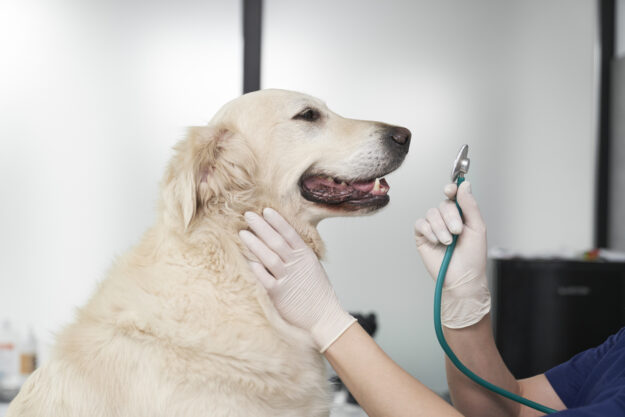
As loving pet owners, we do everything we can to keep our dogs happy, healthy, and safe. But there are some diseases—like canine hepatitis—that can creep in quietly and cause serious harm before we even realize something is wrong.

Understanding what’s happening, why it occurs, and how to respond calmly can make a world of difference for both you and your pup.