
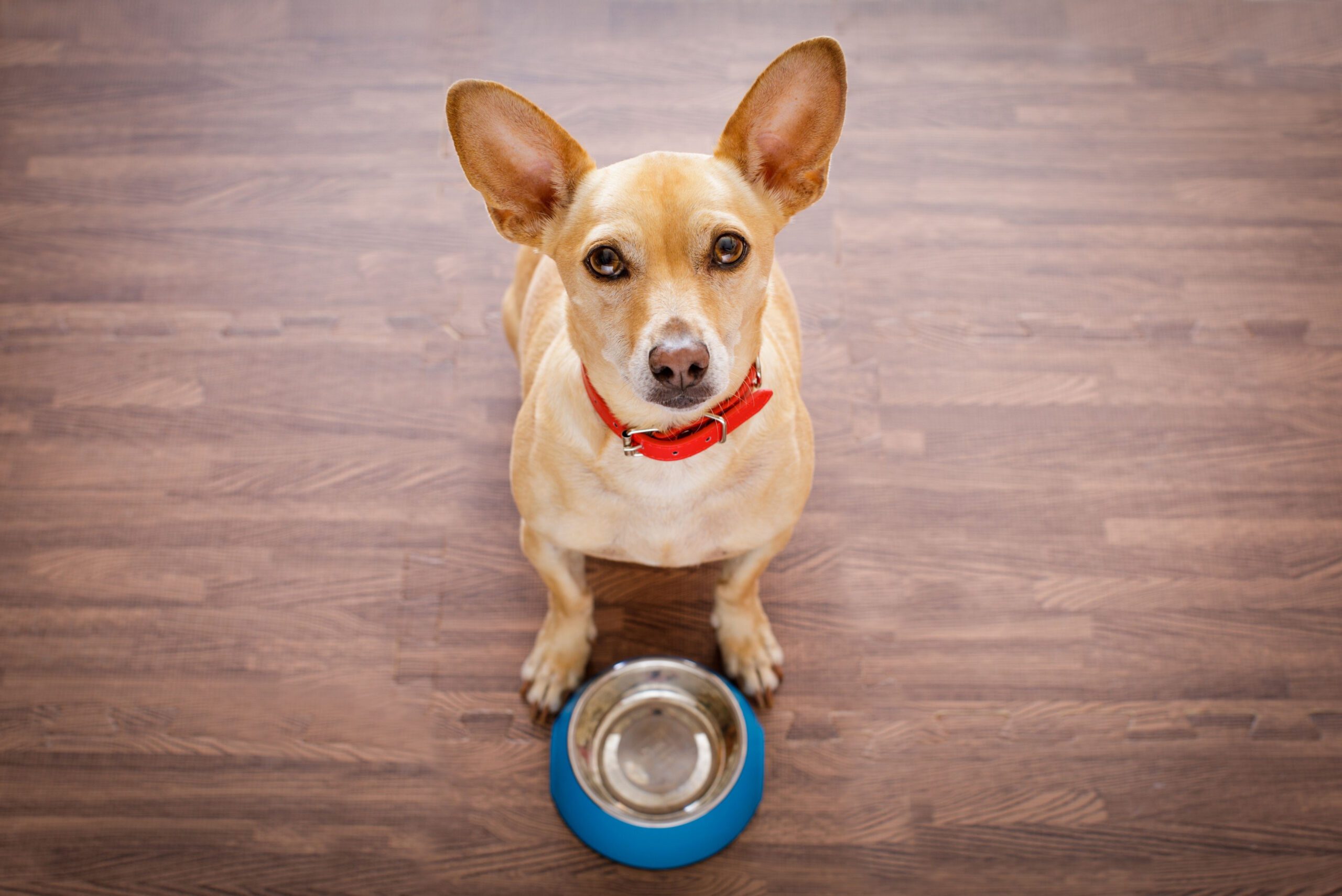
“How much should I feed my dog?” is one of the most common questions veterinarians and shelters hear. It’s an important one—because feeding your dog too much can lead to obesity and health problems, while feeding too little can leave them hungry, undernourished, and lacking energy.
The challenge is that there’s no one-size-fits-all answer. Dogs come in all shapes, sizes, and activity levels, so the right portion for one dog could be too much or too little for another. Breed, age, current weight, body condition, activity level, and even the climate you live in all influence how much food your dog needs each day.
This guide will help you understand the key factors so you can confidently feed your dog the right amount for a healthy, happy life.
Factors That Affect How Much to Feed Your Dog
Before you measure out your dog’s dinner, consider these important factors:
-
Age: Puppies need more calories, protein, and certain nutrients to fuel their rapid growth, while senior dogs usually require fewer calories.
-
Size: Larger breeds naturally eat more than smaller breeds.
-
Activity Level: Highly active dogs burn more calories and need more fuel, while couch potatoes need less.
-
Body Condition: Overweight dogs need fewer calories, underweight dogs need more.
-
Reproductive Status: Spayed and neutered dogs tend to have lower calorie needs than intact dogs. Pregnant or nursing dogs require significantly more food.
-
Food Type and Quality: Calorie content varies widely between brands and types of food (dry, wet, raw, or homemade).
Types of Dog Food
Your choice of food plays a big role in portion size:
-
Dry Food (Kibble): Convenient, affordable, and formulated for various life stages.
-
Wet Food (Canned): More palatable and hydrating, but often more expensive per calorie.
-
Raw Diets: High in protein, may require careful handling to avoid bacterial contamination.
-
Home-Cooked Diets: Can be nutritious if properly balanced, but should be planned with veterinary guidance.
No matter what you choose, make sure your dog’s food is high quality and appropriate for their life stage, size, and activity level.
Feeding Guidelines from the Manufacturer
Every bag or can of dog food includes a feeding chart, but here’s a tip: take those numbers lightly. These recommendations often overestimate, which means your dog could gain weight over time if you follow them exactly. They’re a starting point—not a rule.
Adjust the portions based on your dog’s body condition and energy needs, and check with your vet for guidance.

How Much to Feed by Life Stage
Puppies
Puppies grow fast and burn a lot of energy, so they need a nutrient-rich diet with higher protein, fat, and calcium.
-
Start feeding solid food at 3–4 weeks.
-
Feed 3–4 times a day until around 6 months old.
-
Switch to adult food around 12 months (for large breeds, 18–24 months).
Tip: Don’t feed puppy food for too long—too many calories after growth slows can lead to obesity.
Adult Dogs
Adult dogs are in their prime, but this is also when weight gain is most likely to creep in unnoticed.
-
Consider breed tendencies: A Labrador may put on weight easily, while a Greyhound may stay lean without effort.
-
Adjust for activity: A daily jogger needs more fuel than a dog who naps most of the day.
-
Watch body condition: You should be able to feel (but not see) your dog’s ribs without pressing too hard.
Senior Dogs
Older dogs tend to slow down, which means fewer calories are needed.
-
Switch to a senior-specific food that may include joint-supporting supplements like glucosamine and chondroitin.
-
Keep an eye on muscle mass—protein is still important for seniors.
-
Adjust portions to prevent weight gain, which can worsen arthritis and other age-related issues.
If Your Dog is Overweight
Over half of dogs are overweight or obese—a condition that shortens lifespan and raises the risk of joint disease, heart problems, diabetes, and more.
To help your dog slim down:
-
Reduce portion size gradually.
-
Cut back (or eliminate) treats.
-
Choose a weight-control formula—high in fiber, lower in calories.
-
Increase daily exercise.
Your vet can create a safe weight-loss plan tailored to your dog.
Expert Feeding Tips
-
Feed based on body condition, not behavior. Many dogs will beg even when they’re full.
-
Feed for the dog you want, not the dog you have. If your dog needs to lose weight, feed the portion for their ideal weight.
-
Avoid free-feeding. Leaving food out all day makes it hard to control intake. Stick to set meal times—usually two per day for adults.
-
Use the right food for small dogs. They need calorie-dense, small-kibble diets.
How Many Meals Per Day?
Divide the daily recommended amount into multiple meals:
-
Toy breeds: 3–5 meals as puppies, 2 meals as adults.
-
Small/medium breeds: 3 meals as puppies, 2 as adults.
-
Large/giant breeds: 3 meals as puppies, 2–3 as adults.
Why Feeding the Right Amount Matters
Overfeeding can lead to:
-
Obesity (and related diseases)
-
Shortened lifespan
-
Joint problems
-
Heart disease
Underfeeding can cause:
-
Poor growth (in puppies)
-
Low energy
-
Weak immune system
The goal is balance—enough to keep your dog energetic, healthy, and at their ideal weight.
Quick Body Condition Check
Here’s how to tell if your dog’s at a healthy weight:
-
Too thin: Ribs, spine, and hip bones clearly visible.
-
Ideal: Ribs easily felt but not visible, waist noticeable from above.
-
Overweight: Ribs hard to feel, no visible waist, belly may sag.

The Bottom Line
There’s no universal feeding chart that works for every dog. The right portion depends on your dog’s age, size, activity level, health, and the food you’re serving.
Start with your food manufacturer’s guidelines, then adjust based on your dog’s body condition and your vet’s advice. Monitor weight and energy regularly, and be ready to tweak portions as needed.
Feeding the right amount of a high-quality diet is one of the simplest and most important things you can do to keep your dog healthy and happy for years to come.
Key Takeaways:
-
Always factor in your dog’s age, size, activity level, and health when deciding portions.
-
Puppies, adults, and seniors have different nutritional needs.
-
Use body condition as your guide—adjust food to maintain an ideal weight.
-
Partner with your veterinarian for tailored feeding advice.