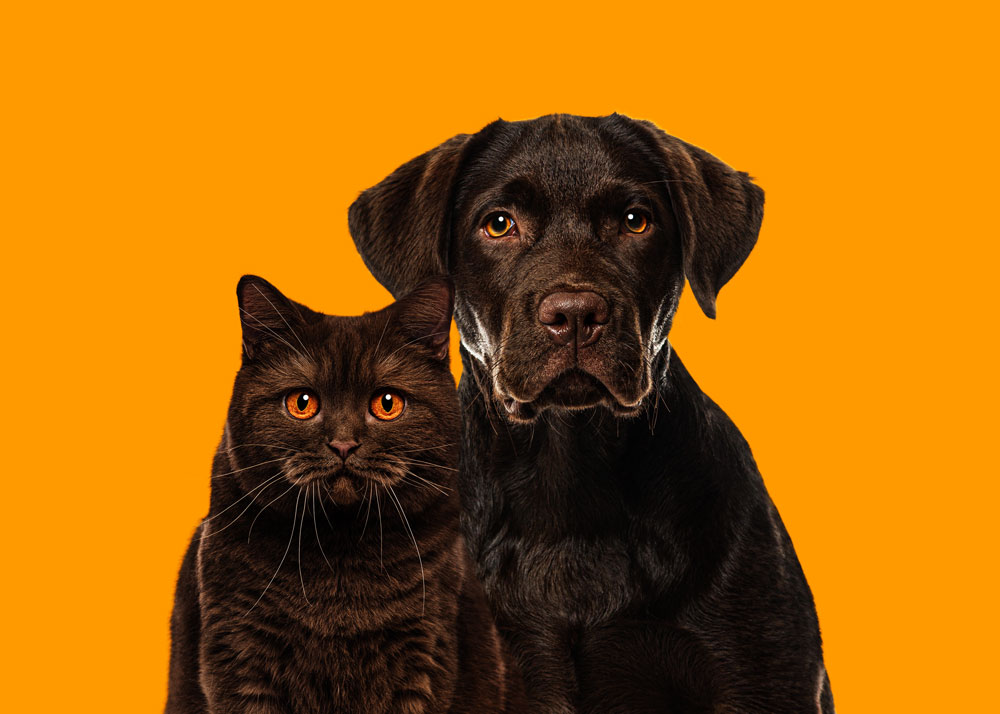
A black cat stretches out in a patch of sunshine, watching the world through bright, curious eyes. A black dog waits beside a kennel door, tail beginning to wag as someone approaches. Each has a personality, preferences and the potential to become a much-loved companion. Yet dark-coated animals can face unfair assumptions before anyone takes the time to meet them. Superstitions, stereotypes and first impressions may influence how people see them, sometimes overshadowing everything that makes them special. If you are considering adoption, give black cats and dogs a proper introduction. Your next wonderful friendship could begin with the animal you almost walked past. What are black cat and black dog syndrome? These terms describe the reported tendency for black cats and dogs to be overlooked for adoption in favour of lighter-coloured animals. Despite the word “syndrome”, neither term refers to a medical condition. They describe a concern about human perceptions and adoption choices. The evidence is more complicated than saying black animals always wait longest. Some shelters report disadvantages, and research involving nearly 8,000 cats at one American shelter found poorer outcomes for black cats. However, a study of dogs at two other shelters found no significantly longer adoption waits or higher euthanasia rates for black dogs. Experiences vary between shelters and communities. The message for prospective owners remains straightforward: every animal deserves to be considered as an individual, without coat colour deciding their chances. Black cats and the burden of superstition Black cats have long been associated with witchcraft, Halloween and bad luck in some traditions. These stories may seem harmless, but they can influence how real animals are treated. There is no evidence that a black cat brings misfortune. Their coat colour does not give them supernatural powers or make them an unsuitable companion. Animal welfare organisations continue to challenge these associations because black cats are still being overlooked in their care. Imagine missing out on a gentle companion who curls up beside you each evening because of an old superstition. Or overlooking a playful youngster who turns an ordinary cardboard box into the highlight of your day. A black cat deserves a home where their character matters more than a story attached to their appearance. Black dogs deserve a fair first impression A large black dog may look imposing to someone unfamiliar with dogs. However, appearance alone cannot tell you whether that particular dog is gentle, anxious, playful, sociable or comfortable around children. A dark coat is not a behavioural assessment. Equally, being a rescue dog does not automatically make an animal suitable for every household. Ask shelter staff about the individual dog. What do they enjoy? How do they respond to unfamiliar people? Have they lived with other animals? What training and support might they need? Those answers help you make a thoughtful decision. The colour of their fur cannot answer those questions. A photograph cannot show the whole personality Many adoption journeys begin online, where a single photograph has only seconds to attract attention. In dim lighting, dark fur can lose detail, making an animal’s eyes and expression harder to distinguish. Research into online cat photographs has explored how coat colour and people’s interpretations of facial expressions may influence perceived adoptability. This concerns human impressions, not the animal’s actual capacity to become a wonderful pet. Before scrolling past, read the description. Watch a video if one is available. Better still, arrange a visit through the shelter. A photograph cannot fully capture a happy greeting, a curious head tilt or the moment a hesitant animal chooses to sit beside you. Why adopting a black pet can be so rewarding There is something deeply satisfying about getting to know an animal beyond their first impression. The quiet black cat becomes the household comedian. The serious-looking black dog reveals an enthusiasm for squeaky toys that makes everyone laugh. Black pets can offer the affection, companionship and enjoyment people treasure in animals of every colour. Some are outgoing, while others prefer a quieter relationship. Some love activity; others are happiest sharing your company at home. Their beauty deserves appreciation too. Glossy fur, expressive eyes and individual features make each one distinctive. For the right household, adopting a black cat or dog can be one of life’s most rewarding decisions. The joy comes from discovering who they are and giving that relationship time to grow. Choose a companion who fits your life Enthusiasm for adoption should go hand in hand with preparation. Consider your working hours, household activity, available space, existing pets and ability to afford ongoing care. Speak honestly with the rescue organisation about your experience and expectations. Ask about the animal’s known history, health, behaviour and care requirements. Follow its application process, home checks and introductions. A lively young dog may need more daily activity and training than you can comfortably provide. A timid cat may need a quieter environment than your household offers. The most loving choice is a suitable match, supported by a commitment that lasts beyond the excitement of adoption day. Give your new family member time Coming home is a major adjustment. Some pets explore confidently; others need time before they feel secure. Prepare a comfortable resting area, establish predictable routines and introduce people and other animals gradually. Allow your pet to approach at their own pace, without pressure to cuddle or interact. Arrange veterinary care and discuss their individual needs, including preventative healthcare, nutrition and identification. Check that microchip registration details are correct. Building trust is part of welcoming any adopted animal. Let your new companion show you their personality as they settle. Help others see beyond the colour Even if adoption is not possible, you can help. Share adoption profiles with thoughtful descriptions, support a local shelter or challenge unkind myths when you hear them. If you already love a black cat or dog, share what makes them special: their funny habits, favourite games and everyday companionship. The next time you consider adopting, make time for the black cat or dog waiting to be noticed. Meet them. Learn their story. You may discover that the companion you hoped for has been there all along, simply waiting for someone to look closer.
A black cat stretches out in a patch of sunshine, watching the world through bright, curious eyes. A black dog waits beside a kennel door, tail beginning to wag as someone approaches. Each has a personality, preferences and the potential to become a much-loved companion. Yet dark-coated animals can face unfair assumptions before anyone takes the time to meet them. Superstitions, stereotypes and first impressions may influence how people see them, sometimes overshadowing everything that makes them special. If you are considering adoption, give black cats and dogs a proper introduction. Your next wonderful friendship could begin with the animal you almost walked past. What are black cat and black dog syndrome? These terms describe the reported tendency for black cats and dogs to be overlooked for adoption in favour of lighter-coloured animals. Despite the word “syndrome”, neither term refers to a medical condition. They describe a concern about human perceptions and adoption choices. The evidence is more complicated than saying black animals always wait longest. Some shelters report disadvantages, and research involving nearly 8,000 cats at one American shelter found poorer outcomes for black cats. However, a study of dogs at two other shelters found no significantly longer adoption waits or higher euthanasia rates for black dogs. Experiences vary between shelters and communities. The message for prospective owners remains straightforward: every animal deserves to be considered as an individual, without coat colour deciding their chances. Black cats and the burden of superstition Black cats have long been associated with witchcraft, Halloween and bad luck in some traditions. These stories may seem harmless, but they can influence how real animals are treated. There is no evidence that a black cat brings misfortune. Their coat colour does not give them supernatural powers or make them an unsuitable companion. Animal welfare organisations continue to challenge these associations because black cats are still being overlooked in their care. Imagine missing out on a gentle companion who curls up beside you each evening because of an old superstition. Or overlooking a playful youngster who turns an ordinary cardboard box into the highlight of your day. A black cat deserves a home where their character matters more than a story attached to their appearance. Black dogs deserve a fair first impression A large black dog may look imposing to someone unfamiliar with dogs. However, appearance alone cannot tell you whether that particular dog is gentle, anxious, playful, sociable or comfortable around children. A dark coat is not a behavioural assessment. Equally, being a rescue dog does not automatically make an animal suitable for every household. Ask shelter staff about the individual dog. What do they enjoy? How do they respond to unfamiliar people? Have they lived with other animals? What training and support might they need? Those answers help you make a thoughtful decision. The colour of their fur cannot answer those questions. A photograph cannot show the whole personality Many adoption journeys begin online, where a single photograph has only seconds to attract attention. In dim lighting, dark fur can lose detail, making an animal’s eyes and expression harder to distinguish. Research into online cat photographs has explored how coat colour and people’s interpretations of facial expressions may influence perceived adoptability. This concerns human impressions, not the animal’s actual capacity to become a wonderful pet. Before scrolling past, read the description. Watch a video if one is available. Better still, arrange a visit through the shelter. A photograph cannot fully capture a happy greeting, a curious head tilt or the moment a hesitant animal chooses to sit beside you. Why adopting a black pet can be so rewarding There is something deeply satisfying about getting to know an animal beyond their first impression. The quiet black cat becomes the household comedian. The serious-looking black dog reveals an enthusiasm for squeaky toys that makes everyone laugh. Black pets can offer the affection, companionship and enjoyment people treasure in animals of every colour. Some are outgoing, while others prefer a quieter relationship. Some love activity; others are happiest sharing your company at home. Their beauty deserves appreciation too. Glossy fur, expressive eyes and individual features make each one distinctive. For the right household, adopting a black cat or dog can be one of life’s most rewarding decisions. The joy comes from discovering who they are and giving that relationship time to grow. Choose a companion who fits your life Enthusiasm for adoption should go hand in hand with preparation. Consider your working hours, household activity, available space, existing pets and ability to afford ongoing care. Speak honestly with the rescue organisation about your experience and expectations. Ask about the animal’s known history, health, behaviour and care requirements. Follow its application process, home checks and introductions. A lively young dog may need more daily activity and training than you can comfortably provide. A timid cat may need a quieter environment than your household offers. The most loving choice is a suitable match, supported by a commitment that lasts beyond the excitement of adoption day. Give your new family member time Coming home is a major adjustment. Some pets explore confidently; others need time before they feel secure. Prepare a comfortable resting area, establish predictable routines and introduce people and other animals gradually. Allow your pet to approach at their own pace, without pressure to cuddle or interact. Arrange veterinary care and discuss their individual needs, including preventative healthcare, nutrition and identification. Check that microchip registration details are correct. Building trust is part of welcoming any adopted animal. Let your new companion show you their personality as they settle. Help others see beyond the colour Even if adoption is not possible, you can help. Share adoption profiles with thoughtful descriptions, support a local shelter or challenge unkind myths when you hear them. If you already love a black cat or dog, share what makes them special: their funny habits, favourite games and everyday companionship. The next time you consider adopting, make time for the black cat or dog waiting to be noticed. Meet them. Learn their story. You may discover that the companion you hoped for has been there all along, simply waiting for someone to look closer.
A black cat stretches out in a patch of sunshine, watching the world through bright, curious eyes. A black dog waits beside a kennel door, tail beginning to wag as someone approaches. Each has a personality, preferences and the potential to become a much-loved companion. Yet dark-coated animals can face unfair assumptions before anyone takes the time to meet them. Superstitions, stereotypes and first impressions may influence how people see them, sometimes overshadowing everything that makes them special. If you are considering adoption, give black cats and dogs a proper introduction. Your next wonderful friendship could begin with the animal you almost walked past. What are black cat and black dog syndrome? These terms describe the reported tendency for black cats and dogs to be overlooked for adoption in favour of lighter-coloured animals. Despite the word “syndrome”, neither term refers to a medical condition. They describe a concern about human perceptions and adoption choices. The evidence is more complicated than saying black animals always wait longest. Some shelters report disadvantages, and research involving nearly 8,000 cats at one American shelter found poorer outcomes for black cats. However, a study of dogs at two other shelters found no significantly longer adoption waits or higher euthanasia rates for black dogs. Experiences vary between shelters and communities. The message for prospective owners remains straightforward: every animal deserves to be considered as an individual, without coat colour deciding their chances. Black cats and the burden of superstition Black cats have long been associated with witchcraft, Halloween and bad luck in some traditions. These stories may seem harmless, but they can influence how real animals are treated. There is no evidence that a black cat brings misfortune. Their coat colour does not give them supernatural powers or make them an unsuitable companion. Animal welfare organisations continue to challenge these associations because black cats are still being overlooked in their care. Imagine missing out on a gentle companion who curls up beside you each evening because of an old superstition. Or overlooking a playful youngster who turns an ordinary cardboard box into the highlight of your day. A black cat deserves a home where their character matters more than a story attached to their appearance. Black dogs deserve a fair first impression A large black dog may look imposing to someone unfamiliar with dogs. However, appearance alone cannot tell you whether that particular dog is gentle, anxious, playful, sociable or comfortable around children. A dark coat is not a behavioural assessment. Equally, being a rescue dog does not automatically make an animal suitable for every household. Ask shelter staff about the individual dog. What do they enjoy? How do they respond to unfamiliar people? Have they lived with other animals? What training and support might they need? Those answers help you make a thoughtful decision. The colour of their fur cannot answer those questions. A photograph cannot show the whole personality Many adoption journeys begin online, where a single photograph has only seconds to attract attention. In dim lighting, dark fur can lose detail, making an animal’s eyes and expression harder to distinguish. Research into online cat photographs has explored how coat colour and people’s interpretations of facial expressions may influence perceived adoptability. This concerns human impressions, not the animal’s actual capacity to become a wonderful pet. Before scrolling past, read the description. Watch a video if one is available. Better still, arrange a visit through the shelter. A photograph cannot fully capture a happy greeting, a curious head tilt or the moment a hesitant animal chooses to sit beside you. Why adopting a black pet can be so rewarding There is something deeply satisfying about getting to know an animal beyond their first impression. The quiet black cat becomes the household comedian. The serious-looking black dog reveals an enthusiasm for squeaky toys that makes everyone laugh. Black pets can offer the affection, companionship and enjoyment people treasure in animals of every colour. Some are outgoing, while others prefer a quieter relationship. Some love activity; others are happiest sharing your company at home. Their beauty deserves appreciation too. Glossy fur, expressive eyes and individual features make each one distinctive. For the right household, adopting a black cat or dog can be one of life’s most rewarding decisions. The joy comes from discovering who they are and giving that relationship time to grow. Choose a companion who fits your life Enthusiasm for adoption should go hand in hand with preparation. Consider your working hours, household activity, available space, existing pets and ability to afford ongoing care. Speak honestly with the rescue organisation about your experience and expectations. Ask about the animal’s known history, health, behaviour and care requirements. Follow its application process, home checks and introductions. A lively young dog may need more daily activity and training than you can comfortably provide. A timid cat may need a quieter environment than your household offers. The most loving choice is a suitable match, supported by a commitment that lasts beyond the excitement of adoption day. Give your new family member time Coming home is a major adjustment. Some pets explore confidently; others need time before they feel secure. Prepare a comfortable resting area, establish predictable routines and introduce people and other animals gradually. Allow your pet to approach at their own pace, without pressure to cuddle or interact. Arrange veterinary care and discuss their individual needs, including preventative healthcare, nutrition and identification. Check that microchip registration details are correct. Building trust is part of welcoming any adopted animal. Let your new companion show you their personality as they settle. Help others see beyond the colour Even if adoption is not possible, you can help. Share adoption profiles with thoughtful descriptions, support a local shelter or challenge unkind myths when you hear them. If you already love a black cat or dog, share what makes them special: their funny habits, favourite games and everyday companionship. The next time you consider adopting, make time for the black cat or dog waiting to be noticed. Meet them. Learn their story. You may discover that the companion you hoped for has been there all along, simply waiting for someone to look closer.