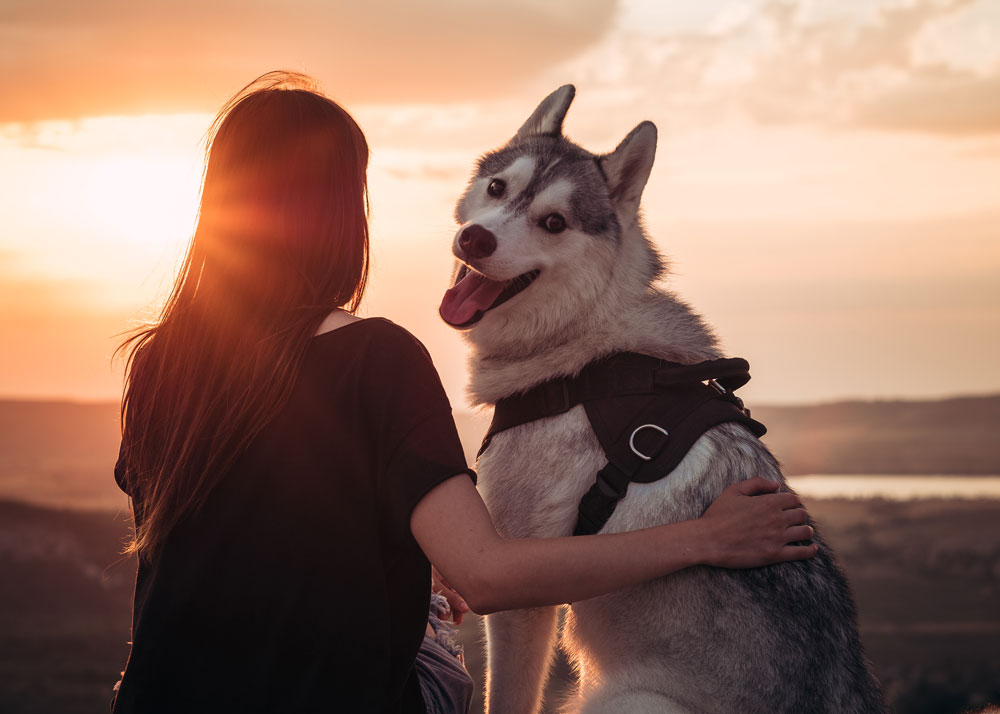
What Our Dogs Truly Need From Us Most dog owners would confidently say, “I love my dog.” We buy them comfortable beds, offer them treats, celebrate their birthdays and consider them part of the family. Our affection is genuine, but is feeling love for our dogs enough to give them the lives they deserve? Dogs are sentient beings. They experience emotions, form relationships, make choices, learn from their environment and communicate how they feel. They have physical, emotional, social and behavioural needs that extend far beyond food, shelter and affection. When it comes to caring for a dog, love cannot simply be a noun—the name of something we feel. Love needs to become a verb: something we actively demonstrate through our everyday choices and actions. Building a Secure Relationship Like every worthwhile relationship, the bond between a person and a dog needs time, attention and effort. A strong relationship is not created only through cuddles and treats. It develops when we spend quality time with our dogs, learn what they enjoy, respect what makes them uncomfortable and become a dependable presence in their lives. Quality time will look different for every dog. One may love energetic games and outdoor adventures, while another may prefer gentle interaction, sniffing in the garden or resting quietly near the family. The important thing is to recognise the individual dog in front of us. Our dogs should not merely live in our homes. They should feel that they belong there. Meeting the Need Behind the Behaviour Dog owners often ask, “How can I stop my dog from behaving this way?” A more helpful question may be: “What does my dog need?” Behaviour is one of the ways dogs communicate. Excessive barking, chewing, digging, jumping, restlessness or destructive behaviour may indicate boredom, frustration, fear, discomfort, insufficient exercise or a lack of suitable outlets for natural behaviour. Meeting a dog’s needs may include providing: Appropriate physical exercise Mental stimulation and enrichment Opportunities to sniff, explore, chew and play Positive interaction with the family Sufficient, uninterrupted sleep A secure and manageable environment Nutritious food suited to the individual dog Regular veterinary care This does not mean that every unwanted behaviour will disappear immediately. However, when a dog’s underlying needs are addressed, many behavioural problems become easier to prevent and manage. Before labelling a dog as naughty, stubborn or disobedient, consider what the behaviour may be communicating. A sudden behavioural change can also be caused by pain or illness and should be discussed with a veterinarian. Creating Trust and Safety Trust is one of the most valuable things we can give our dogs, but it must be built and protected. Dogs learn whether they can rely on us through our daily behaviour. We build trust by being consistent, calm and predictable. We protect it when we respond kindly, advocate for our dogs and avoid forcing them into situations they find frightening or overwhelming. Safety is about more than protecting a dog from physical harm. Emotional safety is equally important. A dog may be physically safe inside a home but still feel anxious because of unpredictable punishment, harsh handling, frightening training tools or repeated exposure to situations they cannot cope with. Our dogs need us to be their secure base—the person they can depend on when the world feels uncertain. Pain, intimidation and fear may temporarily suppress behaviour, but they can damage trust and increase stress. Force-free, reward-based methods allow us to teach dogs while protecting their emotional wellbeing and our relationship with them. Allowing Safe and Appropriate Choices Dogs live in a world largely controlled by people. We decide when they eat, where they sleep, when they walk, whom they meet and how they are touched. While dogs cannot be given complete freedom in every situation, appropriate choices can make an important difference to their confidence and emotional wellbeing. Choice might mean allowing your dog to stop and sniff during a walk instead of constantly pulling them along. It could mean letting them move away when they do not want to greet a stranger, choosing between two resting places or deciding whether they are comfortable with physical affection. Choice must always be offered within safe and sensible boundaries. The environment, other people, animals and the dog’s physical safety must be considered. Giving a dog choice does not mean removing all structure. It means finding reasonable opportunities to provide some control over their daily experiences. A dog that can safely say “no” is more likely to trust the person who listens. Learning to Understand Their Language Dogs may not communicate with words, but they are constantly telling us how they feel through their bodies. Their posture, facial expression, tail position, movement and behaviour all provide information. Turning the head away, lip licking, yawning, freezing, lowering the body, showing the whites of the eyes or trying to create distance can indicate discomfort or stress. Unfortunately, subtle communication is often overlooked. When these early signals do not work, a dog may feel forced to communicate more clearly by growling, snapping or biting. A growl should not simply be punished. It is valuable information that tells us the dog is uncomfortable and needs help. Punishing the warning may stop the growl without changing the emotion behind it. Learning about canine body language helps us notice when our dogs are relaxed, uncertain, frightened or overwhelmed. Listening to their early communication allows us to respond before a situation escalates. Practising Flexibility and Acceptance Many people have a picture in their minds of the dog they hope to have: sociable, relaxed, playful, affectionate and happy to accompany them everywhere. The dog they adopt may be very different. Some dogs do not enjoy busy parks, unfamiliar visitors or interaction with other dogs. Others may be sensitive to noise, uncomfortable with handling or easily overwhelmed in new environments. Love means accepting the individual dog rather than continually trying to force them into a role that does not suit them. This may require compromise. A reactive dog might need walks at quieter times. A nervous dog may need a safe space when visitors arrive. A dog that dislikes unfamiliar animals may be happier enjoying peaceful activities with its family. Acceptance does not mean that we stop helping our dogs. It means that we work with their personality, history and capabilities while setting realistic expectations. Guiding With Patience and Kindness Dogs are not born knowing how to live according to human rules. Walking calmly on a lead, not jumping on guests, leaving household items alone and giving up valued resources are skills that must be taught. Many behaviours that frustrate us are completely natural to dogs. They bark, chew, sniff, dig, chase and investigate their surroundings because they are dogs—not because they are trying to be difficult. Our responsibility is to guide them patiently. We can reinforce the behaviours we would like to see, prevent access to situations in which they are likely to struggle and provide appropriate alternatives for natural behaviour. When challenges arise, consult a veterinarian or a qualified, force-free behaviour professional who can identify possible medical, emotional or environmental causes. Make Love Something You Do Saying that we love our dogs is meaningful, but our actions give those words their true value. Love is meeting their needs, protecting their trust and helping them feel safe. It is allowing appropriate choices, learning their language and accepting their individuality. It is teaching with patience, adjusting our expectations and responding with kindness when they struggle. Love is not a single emotion or an occasional grand gesture. It is found in the small decisions we make for our dogs every day. Love is a doing word—and when we practise it consistently, our dogs do not simply live with us. They feel safe, understood and truly at home.
What Our Dogs Truly Need From Us Most dog owners would confidently say, “I love my dog.” We buy them comfortable beds, offer them treats, celebrate their birthdays and consider them part of the family. Our affection is genuine, but is feeling love for our dogs enough to give them the lives they deserve? Dogs are sentient beings. They experience emotions, form relationships, make choices, learn from their environment and communicate how they feel. They have physical, emotional, social and behavioural needs that extend far beyond food, shelter and affection. When it comes to caring for a dog, love cannot simply be a noun—the name of something we feel. Love needs to become a verb: something we actively demonstrate through our everyday choices and actions. Building a Secure Relationship Like every worthwhile relationship, the bond between a person and a dog needs time, attention and effort. A strong relationship is not created only through cuddles and treats. It develops when we spend quality time with our dogs, learn what they enjoy, respect what makes them uncomfortable and become a dependable presence in their lives. Quality time will look different for every dog. One may love energetic games and outdoor adventures, while another may prefer gentle interaction, sniffing in the garden or resting quietly near the family. The important thing is to recognise the individual dog in front of us. Our dogs should not merely live in our homes. They should feel that they belong there. Meeting the Need Behind the Behaviour Dog owners often ask, “How can I stop my dog from behaving this way?” A more helpful question may be: “What does my dog need?” Behaviour is one of the ways dogs communicate. Excessive barking, chewing, digging, jumping, restlessness or destructive behaviour may indicate boredom, frustration, fear, discomfort, insufficient exercise or a lack of suitable outlets for natural behaviour. Meeting a dog’s needs may include providing: Appropriate physical exercise Mental stimulation and enrichment Opportunities to sniff, explore, chew and play Positive interaction with the family Sufficient, uninterrupted sleep A secure and manageable environment Nutritious food suited to the individual dog Regular veterinary care This does not mean that every unwanted behaviour will disappear immediately. However, when a dog’s underlying needs are addressed, many behavioural problems become easier to prevent and manage. Before labelling a dog as naughty, stubborn or disobedient, consider what the behaviour may be communicating. A sudden behavioural change can also be caused by pain or illness and should be discussed with a veterinarian. Creating Trust and Safety Trust is one of the most valuable things we can give our dogs, but it must be built and protected. Dogs learn whether they can rely on us through our daily behaviour. We build trust by being consistent, calm and predictable. We protect it when we respond kindly, advocate for our dogs and avoid forcing them into situations they find frightening or overwhelming. Safety is about more than protecting a dog from physical harm. Emotional safety is equally important. A dog may be physically safe inside a home but still feel anxious because of unpredictable punishment, harsh handling, frightening training tools or repeated exposure to situations they cannot cope with. Our dogs need us to be their secure base—the person they can depend on when the world feels uncertain. Pain, intimidation and fear may temporarily suppress behaviour, but they can damage trust and increase stress. Force-free, reward-based methods allow us to teach dogs while protecting their emotional wellbeing and our relationship with them. Allowing Safe and Appropriate Choices Dogs live in a world largely controlled by people. We decide when they eat, where they sleep, when they walk, whom they meet and how they are touched. While dogs cannot be given complete freedom in every situation, appropriate choices can make an important difference to their confidence and emotional wellbeing. Choice might mean allowing your dog to stop and sniff during a walk instead of constantly pulling them along. It could mean letting them move away when they do not want to greet a stranger, choosing between two resting places or deciding whether they are comfortable with physical affection. Choice must always be offered within safe and sensible boundaries. The environment, other people, animals and the dog’s physical safety must be considered. Giving a dog choice does not mean removing all structure. It means finding reasonable opportunities to provide some control over their daily experiences. A dog that can safely say “no” is more likely to trust the person who listens. Learning to Understand Their Language Dogs may not communicate with words, but they are constantly telling us how they feel through their bodies. Their posture, facial expression, tail position, movement and behaviour all provide information. Turning the head away, lip licking, yawning, freezing, lowering the body, showing the whites of the eyes or trying to create distance can indicate discomfort or stress. Unfortunately, subtle communication is often overlooked. When these early signals do not work, a dog may feel forced to communicate more clearly by growling, snapping or biting. A growl should not simply be punished. It is valuable information that tells us the dog is uncomfortable and needs help. Punishing the warning may stop the growl without changing the emotion behind it. Learning about canine body language helps us notice when our dogs are relaxed, uncertain, frightened or overwhelmed. Listening to their early communication allows us to respond before a situation escalates. Practising Flexibility and Acceptance Many people have a picture in their minds of the dog they hope to have: sociable, relaxed, playful, affectionate and happy to accompany them everywhere. The dog they adopt may be very different. Some dogs do not enjoy busy parks, unfamiliar visitors or interaction with other dogs. Others may be sensitive to noise, uncomfortable with handling or easily overwhelmed in new environments. Love means accepting the individual dog rather than continually trying to force them into a role that does not suit them. This may require compromise. A reactive dog might need walks at quieter times. A nervous dog may need a safe space when visitors arrive. A dog that dislikes unfamiliar animals may be happier enjoying peaceful activities with its family. Acceptance does not mean that we stop helping our dogs. It means that we work with their personality, history and capabilities while setting realistic expectations. Guiding With Patience and Kindness Dogs are not born knowing how to live according to human rules. Walking calmly on a lead, not jumping on guests, leaving household items alone and giving up valued resources are skills that must be taught. Many behaviours that frustrate us are completely natural to dogs. They bark, chew, sniff, dig, chase and investigate their surroundings because they are dogs—not because they are trying to be difficult. Our responsibility is to guide them patiently. We can reinforce the behaviours we would like to see, prevent access to situations in which they are likely to struggle and provide appropriate alternatives for natural behaviour. When challenges arise, consult a veterinarian or a qualified, force-free behaviour professional who can identify possible medical, emotional or environmental causes. Make Love Something You Do Saying that we love our dogs is meaningful, but our actions give those words their true value. Love is meeting their needs, protecting their trust and helping them feel safe. It is allowing appropriate choices, learning their language and accepting their individuality. It is teaching with patience, adjusting our expectations and responding with kindness when they struggle. Love is not a single emotion or an occasional grand gesture. It is found in the small decisions we make for our dogs every day. Love is a doing word—and when we practise it consistently, our dogs do not simply live with us. They feel safe, understood and truly at home.
What Our Dogs Truly Need From Us Most dog owners would confidently say, “I love my dog.” We buy them comfortable beds, offer them treats, celebrate their birthdays and consider them part of the family. Our affection is genuine, but is feeling love for our dogs enough to give them the lives they deserve? Dogs are sentient beings. They experience emotions, form relationships, make choices, learn from their environment and communicate how they feel. They have physical, emotional, social and behavioural needs that extend far beyond food, shelter and affection. When it comes to caring for a dog, love cannot simply be a noun—the name of something we feel. Love needs to become a verb: something we actively demonstrate through our everyday choices and actions. Building a Secure Relationship Like every worthwhile relationship, the bond between a person and a dog needs time, attention and effort. A strong relationship is not created only through cuddles and treats. It develops when we spend quality time with our dogs, learn what they enjoy, respect what makes them uncomfortable and become a dependable presence in their lives. Quality time will look different for every dog. One may love energetic games and outdoor adventures, while another may prefer gentle interaction, sniffing in the garden or resting quietly near the family. The important thing is to recognise the individual dog in front of us. Our dogs should not merely live in our homes. They should feel that they belong there. Meeting the Need Behind the Behaviour Dog owners often ask, “How can I stop my dog from behaving this way?” A more helpful question may be: “What does my dog need?” Behaviour is one of the ways dogs communicate. Excessive barking, chewing, digging, jumping, restlessness or destructive behaviour may indicate boredom, frustration, fear, discomfort, insufficient exercise or a lack of suitable outlets for natural behaviour. Meeting a dog’s needs may include providing: Appropriate physical exercise Mental stimulation and enrichment Opportunities to sniff, explore, chew and play Positive interaction with the family Sufficient, uninterrupted sleep A secure and manageable environment Nutritious food suited to the individual dog Regular veterinary care This does not mean that every unwanted behaviour will disappear immediately. However, when a dog’s underlying needs are addressed, many behavioural problems become easier to prevent and manage. Before labelling a dog as naughty, stubborn or disobedient, consider what the behaviour may be communicating. A sudden behavioural change can also be caused by pain or illness and should be discussed with a veterinarian. Creating Trust and Safety Trust is one of the most valuable things we can give our dogs, but it must be built and protected. Dogs learn whether they can rely on us through our daily behaviour. We build trust by being consistent, calm and predictable. We protect it when we respond kindly, advocate for our dogs and avoid forcing them into situations they find frightening or overwhelming. Safety is about more than protecting a dog from physical harm. Emotional safety is equally important. A dog may be physically safe inside a home but still feel anxious because of unpredictable punishment, harsh handling, frightening training tools or repeated exposure to situations they cannot cope with. Our dogs need us to be their secure base—the person they can depend on when the world feels uncertain. Pain, intimidation and fear may temporarily suppress behaviour, but they can damage trust and increase stress. Force-free, reward-based methods allow us to teach dogs while protecting their emotional wellbeing and our relationship with them. Allowing Safe and Appropriate Choices Dogs live in a world largely controlled by people. We decide when they eat, where they sleep, when they walk, whom they meet and how they are touched. While dogs cannot be given complete freedom in every situation, appropriate choices can make an important difference to their confidence and emotional wellbeing. Choice might mean allowing your dog to stop and sniff during a walk instead of constantly pulling them along. It could mean letting them move away when they do not want to greet a stranger, choosing between two resting places or deciding whether they are comfortable with physical affection. Choice must always be offered within safe and sensible boundaries. The environment, other people, animals and the dog’s physical safety must be considered. Giving a dog choice does not mean removing all structure. It means finding reasonable opportunities to provide some control over their daily experiences. A dog that can safely say “no” is more likely to trust the person who listens. Learning to Understand Their Language Dogs may not communicate with words, but they are constantly telling us how they feel through their bodies. Their posture, facial expression, tail position, movement and behaviour all provide information. Turning the head away, lip licking, yawning, freezing, lowering the body, showing the whites of the eyes or trying to create distance can indicate discomfort or stress. Unfortunately, subtle communication is often overlooked. When these early signals do not work, a dog may feel forced to communicate more clearly by growling, snapping or biting. A growl should not simply be punished. It is valuable information that tells us the dog is uncomfortable and needs help. Punishing the warning may stop the growl without changing the emotion behind it. Learning about canine body language helps us notice when our dogs are relaxed, uncertain, frightened or overwhelmed. Listening to their early communication allows us to respond before a situation escalates. Practising Flexibility and Acceptance Many people have a picture in their minds of the dog they hope to have: sociable, relaxed, playful, affectionate and happy to accompany them everywhere. The dog they adopt may be very different. Some dogs do not enjoy busy parks, unfamiliar visitors or interaction with other dogs. Others may be sensitive to noise, uncomfortable with handling or easily overwhelmed in new environments. Love means accepting the individual dog rather than continually trying to force them into a role that does not suit them. This may require compromise. A reactive dog might need walks at quieter times. A nervous dog may need a safe space when visitors arrive. A dog that dislikes unfamiliar animals may be happier enjoying peaceful activities with its family. Acceptance does not mean that we stop helping our dogs. It means that we work with their personality, history and capabilities while setting realistic expectations. Guiding With Patience and Kindness Dogs are not born knowing how to live according to human rules. Walking calmly on a lead, not jumping on guests, leaving household items alone and giving up valued resources are skills that must be taught. Many behaviours that frustrate us are completely natural to dogs. They bark, chew, sniff, dig, chase and investigate their surroundings because they are dogs—not because they are trying to be difficult. Our responsibility is to guide them patiently. We can reinforce the behaviours we would like to see, prevent access to situations in which they are likely to struggle and provide appropriate alternatives for natural behaviour. When challenges arise, consult a veterinarian or a qualified, force-free behaviour professional who can identify possible medical, emotional or environmental causes. Make Love Something You Do Saying that we love our dogs is meaningful, but our actions give those words their true value. Love is meeting their needs, protecting their trust and helping them feel safe. It is allowing appropriate choices, learning their language and accepting their individuality. It is teaching with patience, adjusting our expectations and responding with kindness when they struggle. Love is not a single emotion or an occasional grand gesture. It is found in the small decisions we make for our dogs every day. Love is a doing word—and when we practise it consistently, our dogs do not simply live with us. They feel safe, understood and truly at home.