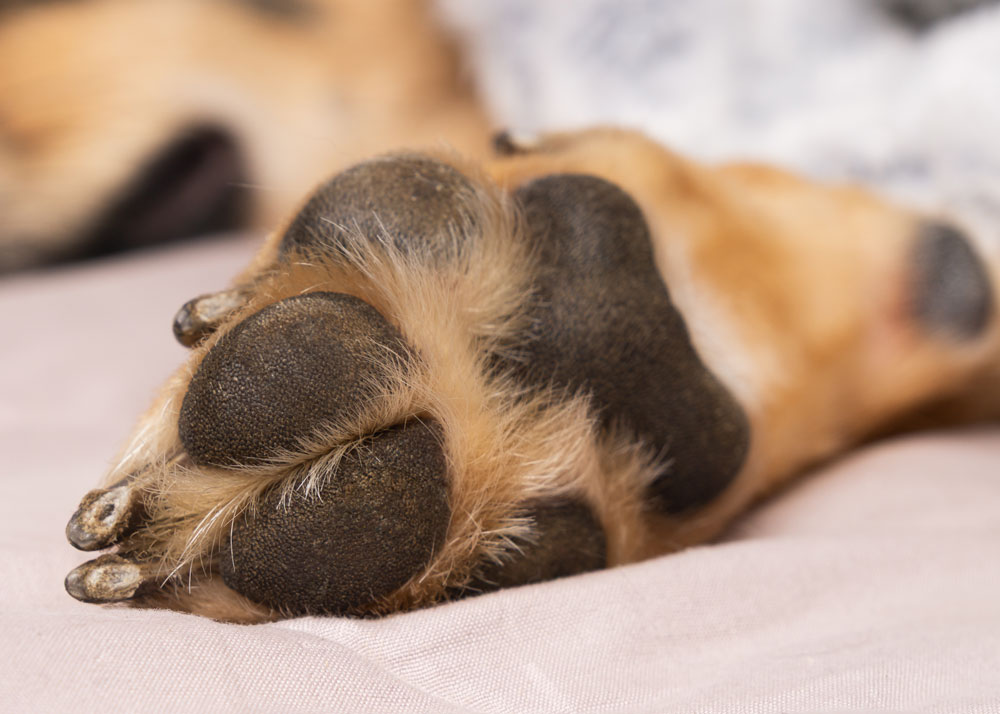
When was the last time you looked closely at your dog’s paws? Most pet owners spend plenty of time admiring wagging tails, shiny coats, and happy smiles, but the paws are often overlooked. Yet these hardworking feet carry your dog through every adventure—from morning walks and park visits to hiking trails and backyard games. They absorb impact, provide traction, regulate temperature, and protect the bones and joints with every step. Because your dog’s paws work so hard every day, they can also reveal a great deal about your pet’s overall health. Changes in the appearance, texture, or condition of the paw pads can be one of the earliest signs that something isn’t quite right. Learning what healthy paws should look and feel like can help you recognise problems early and seek veterinary advice before a minor issue becomes a painful one. Healthy Paw Pads: Smooth and Supple A healthy paw pad should feel firm yet slightly flexible. While no dog’s paws are perfectly silky, they should generally be smooth without deep cracks, sores, or areas of irritation. Smooth paw pads are usually a sign that your dog is receiving: Good nutrition Adequate hydration Regular exercise Appropriate grooming Proper overall health care Healthy paws allow your dog to walk comfortably without pain or limping. Regular inspection will help you become familiar with what is normal for your pet, making it much easier to notice subtle changes. Rough Paw Pads: Time to Pay Attention If your dog’s paw pads begin feeling unusually rough or coarse, it may simply be the result of increased activity on rough terrain. Dogs that regularly walk on gravel, rocky paths, or abrasive surfaces naturally develop thicker pads. However, excessively rough paws can also indicate: Environmental allergies Contact with irritating chemicals Dry winter air Hot pavements Skin disorders Underlying medical conditions If roughness is accompanied by redness, licking, swelling, or discomfort, it’s worth scheduling a veterinary examination to identify the underlying cause. Cracked Paw Pads: A Sign Your Dog Needs Protection Cracked paw pads should never be ignored. Deep cracks can become painful and create an entry point for bacteria, fungi, and other infections. They may also cause bleeding, making walking uncomfortable. Common causes include: Dehydration Nutritional deficiencies Walking on hot tar or concrete Exposure to icy conditions Dry weather Harsh cleaning chemicals Certain autoimmune or skin diseases Keeping your dog well hydrated and feeding a balanced, high-quality diet can help maintain healthy skin and paw pads. Your veterinarian may also recommend paw balms or moisturisers specifically designed for dogs. Never use human moisturisers, as many contain ingredients that can be harmful if licked. Soft Paw Pads: Softer Isn’t Always Better Many owners assume soft paw pads are a sign of healthy skin, but that’s not always the case. Paw pads that are unusually soft can sometimes indicate: Too little exercise Constant indoor living Excessive licking Over-grooming Skin irritation Dogs need regular activity to naturally condition their paw pads. Gradually increasing exercise on appropriate surfaces helps strengthen the pads while improving overall fitness. If soft paws are accompanied by redness, irritation, or excessive licking, your veterinarian can determine whether allergies or another medical condition are responsible. Other Warning Signs Your Dog’s Paws May Be Giving You Texture is only one part of the picture. Your dog’s paws can communicate many other health concerns. Excessive Licking Occasional licking is perfectly normal. However, constant licking, chewing, or biting at the paws often signals discomfort. Possible causes include: Allergies Grass irritation Insect bites Parasites Anxiety Pain Foreign objects lodged between the toes Skin infections Persistent licking keeps the paws moist, creating the perfect environment for bacteria and yeast to grow, often making the problem even worse. Swelling Swollen paws should always be investigated. Swelling may result from: Cuts Splinters Bee stings Snake bites Sprains Broken nails Infections Foreign bodies between the toes If your dog suddenly begins limping or refuses to put weight on a paw, veterinary attention is recommended as soon as possible. Bad Odours Healthy paws should not have a strong smell. An unusual odour can indicate: Yeast infections Bacterial infections Moist dermatitis Excessive moisture trapped between the toes These conditions are often uncomfortable and usually require veterinary treatment. Redness or Discolouration Red, inflamed paws often suggest allergies or irritation. You may also notice brown or rust-coloured staining around the feet. This is commonly caused by excessive licking, where saliva stains the fur over time. Again, the staining is often a symptom rather than the actual problem. Daily Paw Care Makes a Difference Fortunately, keeping your dog’s paws healthy doesn’t require complicated routines. Inspect the Paws Daily Take a few moments after walks to check for: Cuts Splinters Thorns Stones Grass seeds Cracks Swelling Broken nails Changes in colour Early detection often prevents more serious problems. Keep Them Clean and Dry After walks, particularly during rainy weather or muddy conditions, gently wipe your dog’s paws with a damp cloth or pet-safe wipe. Dry the paws thoroughly, especially between the toes, where moisture can become trapped and encourage infections. Protect Against Extreme Temperatures Paw pads can burn surprisingly quickly on hot pavements during summer. Likewise, winter conditions can dry and damage the skin. Whenever possible: Walk during cooler parts of hot days. Avoid extremely hot tar or paving. Limit exposure to icy or rough surfaces. Consider protective dog booties for extreme conditions. If the ground feels too hot for your hand, it is too hot for your dog’s paws. Trim Nails Regularly Overgrown nails alter the way your dog walks, placing extra pressure on the paw pads and joints. Keeping nails at the correct length improves comfort and helps maintain healthy posture. Feed a Balanced Diet Healthy skin starts from within. High-quality nutrition provides essential fatty acids, vitamins, minerals, and protein needed to maintain strong, resilient paw pads. Fresh water is equally important, as hydration helps prevent dry, cracked skin throughout the body, including the paws. When Should You Visit Your Veterinarian? While minor abrasions may heal quickly, veterinary attention is recommended if you notice: Persistent limping Bleeding paw pads Deep cracks Swelling Continuous licking Pus or discharge Bad odours Severe redness Foreign objects embedded in the paw Pain when touching the foot Prompt treatment can prevent infections, reduce discomfort, and help your dog recover much faster. Your Dog’s Paws Tell a Story Your dog’s paws work incredibly hard every single day. They cushion every jump, support every run, and accompany every adventure you share together. By taking just a few minutes each week to inspect them, you may detect health problems long before they become serious. Smooth, healthy paw pads usually reflect good overall health, while roughness, cracks, swelling, excessive licking, or unusual odours may be your dog’s way of asking for help. Regular grooming, balanced nutrition, proper hydration, routine veterinary check-ups, and a little daily attention can keep those hardworking paws healthy for years to come. After all, every great adventure begins with healthy feet, and your dog is counting on theirs every step of the way.
When was the last time you looked closely at your dog’s paws? Most pet owners spend plenty of time admiring wagging tails, shiny coats, and happy smiles, but the paws are often overlooked. Yet these hardworking feet carry your dog through every adventure—from morning walks and park visits to hiking trails and backyard games. They absorb impact, provide traction, regulate temperature, and protect the bones and joints with every step. Because your dog’s paws work so hard every day, they can also reveal a great deal about your pet’s overall health. Changes in the appearance, texture, or condition of the paw pads can be one of the earliest signs that something isn’t quite right. Learning what healthy paws should look and feel like can help you recognise problems early and seek veterinary advice before a minor issue becomes a painful one. Healthy Paw Pads: Smooth and Supple A healthy paw pad should feel firm yet slightly flexible. While no dog’s paws are perfectly silky, they should generally be smooth without deep cracks, sores, or areas of irritation. Smooth paw pads are usually a sign that your dog is receiving: Good nutrition Adequate hydration Regular exercise Appropriate grooming Proper overall health care Healthy paws allow your dog to walk comfortably without pain or limping. Regular inspection will help you become familiar with what is normal for your pet, making it much easier to notice subtle changes. Rough Paw Pads: Time to Pay Attention If your dog’s paw pads begin feeling unusually rough or coarse, it may simply be the result of increased activity on rough terrain. Dogs that regularly walk on gravel, rocky paths, or abrasive surfaces naturally develop thicker pads. However, excessively rough paws can also indicate: Environmental allergies Contact with irritating chemicals Dry winter air Hot pavements Skin disorders Underlying medical conditions If roughness is accompanied by redness, licking, swelling, or discomfort, it’s worth scheduling a veterinary examination to identify the underlying cause. Cracked Paw Pads: A Sign Your Dog Needs Protection Cracked paw pads should never be ignored. Deep cracks can become painful and create an entry point for bacteria, fungi, and other infections. They may also cause bleeding, making walking uncomfortable. Common causes include: Dehydration Nutritional deficiencies Walking on hot tar or concrete Exposure to icy conditions Dry weather Harsh cleaning chemicals Certain autoimmune or skin diseases Keeping your dog well hydrated and feeding a balanced, high-quality diet can help maintain healthy skin and paw pads. Your veterinarian may also recommend paw balms or moisturisers specifically designed for dogs. Never use human moisturisers, as many contain ingredients that can be harmful if licked. Soft Paw Pads: Softer Isn’t Always Better Many owners assume soft paw pads are a sign of healthy skin, but that’s not always the case. Paw pads that are unusually soft can sometimes indicate: Too little exercise Constant indoor living Excessive licking Over-grooming Skin irritation Dogs need regular activity to naturally condition their paw pads. Gradually increasing exercise on appropriate surfaces helps strengthen the pads while improving overall fitness. If soft paws are accompanied by redness, irritation, or excessive licking, your veterinarian can determine whether allergies or another medical condition are responsible. Other Warning Signs Your Dog’s Paws May Be Giving You Texture is only one part of the picture. Your dog’s paws can communicate many other health concerns. Excessive Licking Occasional licking is perfectly normal. However, constant licking, chewing, or biting at the paws often signals discomfort. Possible causes include: Allergies Grass irritation Insect bites Parasites Anxiety Pain Foreign objects lodged between the toes Skin infections Persistent licking keeps the paws moist, creating the perfect environment for bacteria and yeast to grow, often making the problem even worse. Swelling Swollen paws should always be investigated. Swelling may result from: Cuts Splinters Bee stings Snake bites Sprains Broken nails Infections Foreign bodies between the toes If your dog suddenly begins limping or refuses to put weight on a paw, veterinary attention is recommended as soon as possible. Bad Odours Healthy paws should not have a strong smell. An unusual odour can indicate: Yeast infections Bacterial infections Moist dermatitis Excessive moisture trapped between the toes These conditions are often uncomfortable and usually require veterinary treatment. Redness or Discolouration Red, inflamed paws often suggest allergies or irritation. You may also notice brown or rust-coloured staining around the feet. This is commonly caused by excessive licking, where saliva stains the fur over time. Again, the staining is often a symptom rather than the actual problem. Daily Paw Care Makes a Difference Fortunately, keeping your dog’s paws healthy doesn’t require complicated routines. Inspect the Paws Daily Take a few moments after walks to check for: Cuts Splinters Thorns Stones Grass seeds Cracks Swelling Broken nails Changes in colour Early detection often prevents more serious problems. Keep Them Clean and Dry After walks, particularly during rainy weather or muddy conditions, gently wipe your dog’s paws with a damp cloth or pet-safe wipe. Dry the paws thoroughly, especially between the toes, where moisture can become trapped and encourage infections. Protect Against Extreme Temperatures Paw pads can burn surprisingly quickly on hot pavements during summer. Likewise, winter conditions can dry and damage the skin. Whenever possible: Walk during cooler parts of hot days. Avoid extremely hot tar or paving. Limit exposure to icy or rough surfaces. Consider protective dog booties for extreme conditions. If the ground feels too hot for your hand, it is too hot for your dog’s paws. Trim Nails Regularly Overgrown nails alter the way your dog walks, placing extra pressure on the paw pads and joints. Keeping nails at the correct length improves comfort and helps maintain healthy posture. Feed a Balanced Diet Healthy skin starts from within. High-quality nutrition provides essential fatty acids, vitamins, minerals, and protein needed to maintain strong, resilient paw pads. Fresh water is equally important, as hydration helps prevent dry, cracked skin throughout the body, including the paws. When Should You Visit Your Veterinarian? While minor abrasions may heal quickly, veterinary attention is recommended if you notice: Persistent limping Bleeding paw pads Deep cracks Swelling Continuous licking Pus or discharge Bad odours Severe redness Foreign objects embedded in the paw Pain when touching the foot Prompt treatment can prevent infections, reduce discomfort, and help your dog recover much faster. Your Dog’s Paws Tell a Story Your dog’s paws work incredibly hard every single day. They cushion every jump, support every run, and accompany every adventure you share together. By taking just a few minutes each week to inspect them, you may detect health problems long before they become serious. Smooth, healthy paw pads usually reflect good overall health, while roughness, cracks, swelling, excessive licking, or unusual odours may be your dog’s way of asking for help. Regular grooming, balanced nutrition, proper hydration, routine veterinary check-ups, and a little daily attention can keep those hardworking paws healthy for years to come. After all, every great adventure begins with healthy feet, and your dog is counting on theirs every step of the way.
When was the last time you looked closely at your dog’s paws? Most pet owners spend plenty of time admiring wagging tails, shiny coats, and happy smiles, but the paws are often overlooked. Yet these hardworking feet carry your dog through every adventure—from morning walks and park visits to hiking trails and backyard games. They absorb impact, provide traction, regulate temperature, and protect the bones and joints with every step. Because your dog’s paws work so hard every day, they can also reveal a great deal about your pet’s overall health. Changes in the appearance, texture, or condition of the paw pads can be one of the earliest signs that something isn’t quite right. Learning what healthy paws should look and feel like can help you recognise problems early and seek veterinary advice before a minor issue becomes a painful one. Healthy Paw Pads: Smooth and Supple A healthy paw pad should feel firm yet slightly flexible. While no dog’s paws are perfectly silky, they should generally be smooth without deep cracks, sores, or areas of irritation. Smooth paw pads are usually a sign that your dog is receiving: Good nutrition Adequate hydration Regular exercise Appropriate grooming Proper overall health care Healthy paws allow your dog to walk comfortably without pain or limping. Regular inspection will help you become familiar with what is normal for your pet, making it much easier to notice subtle changes. Rough Paw Pads: Time to Pay Attention If your dog’s paw pads begin feeling unusually rough or coarse, it may simply be the result of increased activity on rough terrain. Dogs that regularly walk on gravel, rocky paths, or abrasive surfaces naturally develop thicker pads. However, excessively rough paws can also indicate: Environmental allergies Contact with irritating chemicals Dry winter air Hot pavements Skin disorders Underlying medical conditions If roughness is accompanied by redness, licking, swelling, or discomfort, it’s worth scheduling a veterinary examination to identify the underlying cause. Cracked Paw Pads: A Sign Your Dog Needs Protection Cracked paw pads should never be ignored. Deep cracks can become painful and create an entry point for bacteria, fungi, and other infections. They may also cause bleeding, making walking uncomfortable. Common causes include: Dehydration Nutritional deficiencies Walking on hot tar or concrete Exposure to icy conditions Dry weather Harsh cleaning chemicals Certain autoimmune or skin diseases Keeping your dog well hydrated and feeding a balanced, high-quality diet can help maintain healthy skin and paw pads. Your veterinarian may also recommend paw balms or moisturisers specifically designed for dogs. Never use human moisturisers, as many contain ingredients that can be harmful if licked. Soft Paw Pads: Softer Isn’t Always Better Many owners assume soft paw pads are a sign of healthy skin, but that’s not always the case. Paw pads that are unusually soft can sometimes indicate: Too little exercise Constant indoor living Excessive licking Over-grooming Skin irritation Dogs need regular activity to naturally condition their paw pads. Gradually increasing exercise on appropriate surfaces helps strengthen the pads while improving overall fitness. If soft paws are accompanied by redness, irritation, or excessive licking, your veterinarian can determine whether allergies or another medical condition are responsible. Other Warning Signs Your Dog’s Paws May Be Giving You Texture is only one part of the picture. Your dog’s paws can communicate many other health concerns. Excessive Licking Occasional licking is perfectly normal. However, constant licking, chewing, or biting at the paws often signals discomfort. Possible causes include: Allergies Grass irritation Insect bites Parasites Anxiety Pain Foreign objects lodged between the toes Skin infections Persistent licking keeps the paws moist, creating the perfect environment for bacteria and yeast to grow, often making the problem even worse. Swelling Swollen paws should always be investigated. Swelling may result from: Cuts Splinters Bee stings Snake bites Sprains Broken nails Infections Foreign bodies between the toes If your dog suddenly begins limping or refuses to put weight on a paw, veterinary attention is recommended as soon as possible. Bad Odours Healthy paws should not have a strong smell. An unusual odour can indicate: Yeast infections Bacterial infections Moist dermatitis Excessive moisture trapped between the toes These conditions are often uncomfortable and usually require veterinary treatment. Redness or Discolouration Red, inflamed paws often suggest allergies or irritation. You may also notice brown or rust-coloured staining around the feet. This is commonly caused by excessive licking, where saliva stains the fur over time. Again, the staining is often a symptom rather than the actual problem. Daily Paw Care Makes a Difference Fortunately, keeping your dog’s paws healthy doesn’t require complicated routines. Inspect the Paws Daily Take a few moments after walks to check for: Cuts Splinters Thorns Stones Grass seeds Cracks Swelling Broken nails Changes in colour Early detection often prevents more serious problems. Keep Them Clean and Dry After walks, particularly during rainy weather or muddy conditions, gently wipe your dog’s paws with a damp cloth or pet-safe wipe. Dry the paws thoroughly, especially between the toes, where moisture can become trapped and encourage infections. Protect Against Extreme Temperatures Paw pads can burn surprisingly quickly on hot pavements during summer. Likewise, winter conditions can dry and damage the skin. Whenever possible: Walk during cooler parts of hot days. Avoid extremely hot tar or paving. Limit exposure to icy or rough surfaces. Consider protective dog booties for extreme conditions. If the ground feels too hot for your hand, it is too hot for your dog’s paws. Trim Nails Regularly Overgrown nails alter the way your dog walks, placing extra pressure on the paw pads and joints. Keeping nails at the correct length improves comfort and helps maintain healthy posture. Feed a Balanced Diet Healthy skin starts from within. High-quality nutrition provides essential fatty acids, vitamins, minerals, and protein needed to maintain strong, resilient paw pads. Fresh water is equally important, as hydration helps prevent dry, cracked skin throughout the body, including the paws. When Should You Visit Your Veterinarian? While minor abrasions may heal quickly, veterinary attention is recommended if you notice: Persistent limping Bleeding paw pads Deep cracks Swelling Continuous licking Pus or discharge Bad odours Severe redness Foreign objects embedded in the paw Pain when touching the foot Prompt treatment can prevent infections, reduce discomfort, and help your dog recover much faster. Your Dog’s Paws Tell a Story Your dog’s paws work incredibly hard every single day. They cushion every jump, support every run, and accompany every adventure you share together. By taking just a few minutes each week to inspect them, you may detect health problems long before they become serious. Smooth, healthy paw pads usually reflect good overall health, while roughness, cracks, swelling, excessive licking, or unusual odours may be your dog’s way of asking for help. Regular grooming, balanced nutrition, proper hydration, routine veterinary check-ups, and a little daily attention can keep those hardworking paws healthy for years to come. After all, every great adventure begins with healthy feet, and your dog is counting on theirs every step of the way.