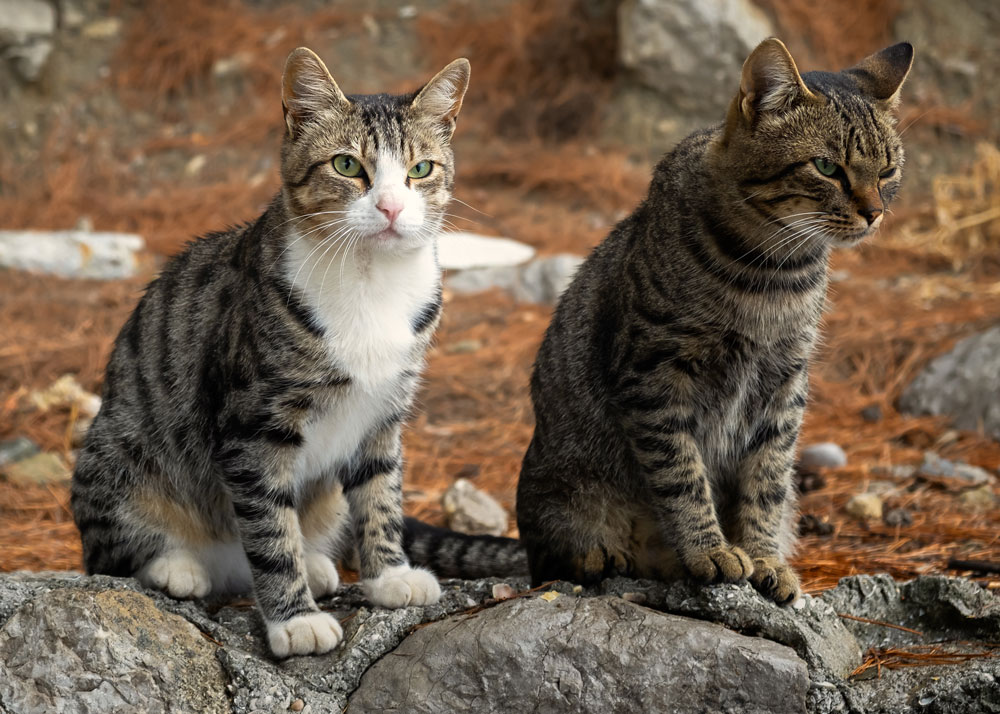
Stray vs Feral – What’s the Difference?Understanding the Difference and Becoming Part of the Solution Every day, thousands of cats live on the streets of South Africa. Some are frightened family pets that have become lost or been abandoned. Others have never known human companionship and survive in colonies, relying on instinct and, in many cases, the kindness of compassionate people who feed them. While feeding hungry cats is an act of kindness, it is only part of the solution. If we truly care about their welfare, we must understand the difference between stray cats and feral cats, know what the law says about protecting them, and learn how we can make a lasting difference through responsible action. Although the terms are often used interchangeably, stray and feral cats are very different. Stray Cats A stray cat is a domestic cat that was once socialised to people. It may have: Become lost from its home Been abandoned by its owner Been born outdoors but handled by humans from an early age Stray cats are usually approachable, may meow at people, seek human attention, and often adapt well to living in a home again. Because many strays belong to someone, they should always be scanned for a microchip and reported to local animal welfare organisations before assuming they are homeless. Many stray cats can be reunited with their families or successfully rehomed. Feral Cats Feral cats are very different. A feral cat has had little or no positive human interaction. These cats are: Unsocialised Naturally fearful of people Unlikely to enjoy being handled Usually found living in colonies A feral colony is often made up of related cats that have bred over many generations. They establish territories where food and shelter are available. Contrary to popular belief, feral cats are not “bad” or “dangerous.” They are simply wild in behaviour and have adapted to survive without human companionship. Trying to domesticate adult feral cats is rarely successful and can cause them enormous stress. Instead, the internationally recognised humane solution is Trap-Neuter-Return (TNR). Why Simply Feeding Cats Isn’t Enough Many kind-hearted people regularly feed feral cats. Without these caregivers, many cats would suffer from hunger and poor health. However, feeding alone creates an unintended problem. If cats have a reliable food source but continue breeding unchecked, colony numbers can grow rapidly. One female cat can produce several litters every year, and her kittens can begin reproducing before they are even one year old. Very quickly: Colony numbers increase dramatically. More mouths need feeding. Veterinary costs become overwhelming. Disease spreads more easily. Fighting and mating behaviours increase. More unwanted kittens are born into difficult conditions. Kindness should always go hand-in-hand with responsibility. Feeding without sterilising may ease today’s hunger but can unintentionally create tomorrow’s suffering. The Power of TNR (Trap-Neuter-Return) Across the world, Trap-Neuter-Return has become the gold standard for managing feral cat populations humanely. The process is straightforward: Cats are humanely trapped. They are taken to a veterinarian for sterilisation. They receive basic medical treatment where possible. They are returned to the exact location where they were trapped. Why return them? Because feral cats have established territories. Removing them permanently creates a “vacuum effect,” where new unsterilised cats simply move into the vacant area and begin breeding again. Sterilised cats, however: No longer produce kittens. Fight less. Roam less. Make less noise during mating season. Live healthier lives. Stabilise colony numbers over time. TNR is compassion in action. What Happens If Nothing Is Done? Unchecked breeding has consequences for both cats and communities. Growing colonies place enormous pressure on: Volunteer feeders Animal welfare organisations Veterinary clinics Municipal resources Larger colonies are also more susceptible to: Upper respiratory infections Parasites Cat flu outbreaks Injuries from fighting Malnutrition Disease transmission Most heartbreaking of all, countless kittens are born into lives where survival is uncertain. Preventing suffering before it begins is one of the greatest acts of kindness we can offer. What Can You Do? You don’t have to run an animal welfare organisation to make a difference. Every person can help. 1. Support TNR Programmes Many welfare organisations run sterilisation campaigns throughout the year. These programmes rely entirely on donations, sponsorships and volunteers. Your support—whether financial or practical—helps stop the cycle of endless breeding. 2. Sponsor a Sterilisation One sterilisation can prevent hundreds of future births over the coming years. Instead of only buying food, consider sponsoring a sterilisation whenever possible. It is one of the most effective investments you can make in animal welfare. 3. Become Part of the Solution If you regularly feed a colony: Learn about TNR. Contact a local organisation for guidance. Help identify unsterilised cats. Assist with transport to veterinary appointments if possible. Even helping with one cat makes a difference. 4. Fundraise Many people don’t realise that TNR involves ongoing costs. Even when veterinary clinics discount procedures, organisations still need funding for: Traps Fuel Veterinary supplies Transport Recovery care Food for recovering cats Hosting a small fundraiser or encouraging donations can help entire colonies. 5. Adopt When Possible Friendly stray cats often make wonderful family pets. By adopting from a rescue organisation instead of buying, you give a homeless animal a second chance while creating space for another animal in need. The Law Protects Cats Too Many people wrongly believe that stray or feral cats have no legal protection. This is simply not true. In South Africa, cats are protected under the Animals Protection Act 71 of 1962. It is illegal to: Intentionally poison cats. Beat or torture them. Starve or neglect them. Commit acts of cruelty against them. Abandoning a pet is also a criminal offence. Individuals found guilty of animal cruelty may face substantial fines, imprisonment, and may be declared unfit to own animals. Animal cruelty should never be ignored. If you witness abuse or neglect, report it immediately to your local SPCA, animal welfare organisation or the South African Police Service. Speaking up can save lives. A Community Responsibility Feral cat management is not something welfare organisations can solve alone. It requires cooperation between: Residents Businesses Veterinary clinics Municipalities Volunteers Animal welfare organisations Communities that embrace responsible TNR programmes often see: Smaller, healthier colonies Fewer nuisance complaints Reduced kitten admissions to shelters Better welfare for the cats themselves Everyone benefits. Kindness Means Responsibility Compassion is more than filling a food bowl. Real compassion asks: “What happens tomorrow?” When we feed responsibly, sterilise consistently and protect vulnerable animals through humane management, we break the cycle of suffering instead of unintentionally continuing it. Every sterilisation prevents future hardship. Every donation supports another life. Every volunteer makes a difference. Every report of cruelty protects the vulnerable. And every act of kindness helps build a community where people and animals can live together with compassion and respect. The next time you see a stray or feral cat, remember that your kindness has the power not only to feed a hungry animal today—but to change the future of countless cats for years to come. Don’t just be a feeder—be part of the solution. Feed responsibly. Sterilise compassionately. Protect courageously. Together, we can create healthier communities and brighter futures for South Africa’s cats.
Stray vs Feral – What’s the Difference?Understanding the Difference and Becoming Part of the Solution Every day, thousands of cats live on the streets of South Africa. Some are frightened family pets that have become lost or been abandoned. Others have never known human companionship and survive in colonies, relying on instinct and, in many cases, the kindness of compassionate people who feed them. While feeding hungry cats is an act of kindness, it is only part of the solution. If we truly care about their welfare, we must understand the difference between stray cats and feral cats, know what the law says about protecting them, and learn how we can make a lasting difference through responsible action. Although the terms are often used interchangeably, stray and feral cats are very different. Stray Cats A stray cat is a domestic cat that was once socialised to people. It may have: Become lost from its home Been abandoned by its owner Been born outdoors but handled by humans from an early age Stray cats are usually approachable, may meow at people, seek human attention, and often adapt well to living in a home again. Because many strays belong to someone, they should always be scanned for a microchip and reported to local animal welfare organisations before assuming they are homeless. Many stray cats can be reunited with their families or successfully rehomed. Feral Cats Feral cats are very different. A feral cat has had little or no positive human interaction. These cats are: Unsocialised Naturally fearful of people Unlikely to enjoy being handled Usually found living in colonies A feral colony is often made up of related cats that have bred over many generations. They establish territories where food and shelter are available. Contrary to popular belief, feral cats are not “bad” or “dangerous.” They are simply wild in behaviour and have adapted to survive without human companionship. Trying to domesticate adult feral cats is rarely successful and can cause them enormous stress. Instead, the internationally recognised humane solution is Trap-Neuter-Return (TNR). Why Simply Feeding Cats Isn’t Enough Many kind-hearted people regularly feed feral cats. Without these caregivers, many cats would suffer from hunger and poor health. However, feeding alone creates an unintended problem. If cats have a reliable food source but continue breeding unchecked, colony numbers can grow rapidly. One female cat can produce several litters every year, and her kittens can begin reproducing before they are even one year old. Very quickly: Colony numbers increase dramatically. More mouths need feeding. Veterinary costs become overwhelming. Disease spreads more easily. Fighting and mating behaviours increase. More unwanted kittens are born into difficult conditions. Kindness should always go hand-in-hand with responsibility. Feeding without sterilising may ease today’s hunger but can unintentionally create tomorrow’s suffering. The Power of TNR (Trap-Neuter-Return) Across the world, Trap-Neuter-Return has become the gold standard for managing feral cat populations humanely. The process is straightforward: Cats are humanely trapped. They are taken to a veterinarian for sterilisation. They receive basic medical treatment where possible. They are returned to the exact location where they were trapped. Why return them? Because feral cats have established territories. Removing them permanently creates a “vacuum effect,” where new unsterilised cats simply move into the vacant area and begin breeding again. Sterilised cats, however: No longer produce kittens. Fight less. Roam less. Make less noise during mating season. Live healthier lives. Stabilise colony numbers over time. TNR is compassion in action. What Happens If Nothing Is Done? Unchecked breeding has consequences for both cats and communities. Growing colonies place enormous pressure on: Volunteer feeders Animal welfare organisations Veterinary clinics Municipal resources Larger colonies are also more susceptible to: Upper respiratory infections Parasites Cat flu outbreaks Injuries from fighting Malnutrition Disease transmission Most heartbreaking of all, countless kittens are born into lives where survival is uncertain. Preventing suffering before it begins is one of the greatest acts of kindness we can offer. What Can You Do? You don’t have to run an animal welfare organisation to make a difference. Every person can help. 1. Support TNR Programmes Many welfare organisations run sterilisation campaigns throughout the year. These programmes rely entirely on donations, sponsorships and volunteers. Your support—whether financial or practical—helps stop the cycle of endless breeding. 2. Sponsor a Sterilisation One sterilisation can prevent hundreds of future births over the coming years. Instead of only buying food, consider sponsoring a sterilisation whenever possible. It is one of the most effective investments you can make in animal welfare. 3. Become Part of the Solution If you regularly feed a colony: Learn about TNR. Contact a local organisation for guidance. Help identify unsterilised cats. Assist with transport to veterinary appointments if possible. Even helping with one cat makes a difference. 4. Fundraise Many people don’t realise that TNR involves ongoing costs. Even when veterinary clinics discount procedures, organisations still need funding for: Traps Fuel Veterinary supplies Transport Recovery care Food for recovering cats Hosting a small fundraiser or encouraging donations can help entire colonies. 5. Adopt When Possible Friendly stray cats often make wonderful family pets. By adopting from a rescue organisation instead of buying, you give a homeless animal a second chance while creating space for another animal in need. The Law Protects Cats Too Many people wrongly believe that stray or feral cats have no legal protection. This is simply not true. In South Africa, cats are protected under the Animals Protection Act 71 of 1962. It is illegal to: Intentionally poison cats. Beat or torture them. Starve or neglect them. Commit acts of cruelty against them. Abandoning a pet is also a criminal offence. Individuals found guilty of animal cruelty may face substantial fines, imprisonment, and may be declared unfit to own animals. Animal cruelty should never be ignored. If you witness abuse or neglect, report it immediately to your local SPCA, animal welfare organisation or the South African Police Service. Speaking up can save lives. A Community Responsibility Feral cat management is not something welfare organisations can solve alone. It requires cooperation between: Residents Businesses Veterinary clinics Municipalities Volunteers Animal welfare organisations Communities that embrace responsible TNR programmes often see: Smaller, healthier colonies Fewer nuisance complaints Reduced kitten admissions to shelters Better welfare for the cats themselves Everyone benefits. Kindness Means Responsibility Compassion is more than filling a food bowl. Real compassion asks: “What happens tomorrow?” When we feed responsibly, sterilise consistently and protect vulnerable animals through humane management, we break the cycle of suffering instead of unintentionally continuing it. Every sterilisation prevents future hardship. Every donation supports another life. Every volunteer makes a difference. Every report of cruelty protects the vulnerable. And every act of kindness helps build a community where people and animals can live together with compassion and respect. The next time you see a stray or feral cat, remember that your kindness has the power not only to feed a hungry animal today—but to change the future of countless cats for years to come. Don’t just be a feeder—be part of the solution. Feed responsibly. Sterilise compassionately. Protect courageously. Together, we can create healthier communities and brighter futures for South Africa’s cats.
Stray vs Feral – What’s the Difference?Understanding the Difference and Becoming Part of the Solution Every day, thousands of cats live on the streets of South Africa. Some are frightened family pets that have become lost or been abandoned. Others have never known human companionship and survive in colonies, relying on instinct and, in many cases, the kindness of compassionate people who feed them. While feeding hungry cats is an act of kindness, it is only part of the solution. If we truly care about their welfare, we must understand the difference between stray cats and feral cats, know what the law says about protecting them, and learn how we can make a lasting difference through responsible action. Although the terms are often used interchangeably, stray and feral cats are very different. Stray Cats A stray cat is a domestic cat that was once socialised to people. It may have: Become lost from its home Been abandoned by its owner Been born outdoors but handled by humans from an early age Stray cats are usually approachable, may meow at people, seek human attention, and often adapt well to living in a home again. Because many strays belong to someone, they should always be scanned for a microchip and reported to local animal welfare organisations before assuming they are homeless. Many stray cats can be reunited with their families or successfully rehomed. Feral Cats Feral cats are very different. A feral cat has had little or no positive human interaction. These cats are: Unsocialised Naturally fearful of people Unlikely to enjoy being handled Usually found living in colonies A feral colony is often made up of related cats that have bred over many generations. They establish territories where food and shelter are available. Contrary to popular belief, feral cats are not “bad” or “dangerous.” They are simply wild in behaviour and have adapted to survive without human companionship. Trying to domesticate adult feral cats is rarely successful and can cause them enormous stress. Instead, the internationally recognised humane solution is Trap-Neuter-Return (TNR). Why Simply Feeding Cats Isn’t Enough Many kind-hearted people regularly feed feral cats. Without these caregivers, many cats would suffer from hunger and poor health. However, feeding alone creates an unintended problem. If cats have a reliable food source but continue breeding unchecked, colony numbers can grow rapidly. One female cat can produce several litters every year, and her kittens can begin reproducing before they are even one year old. Very quickly: Colony numbers increase dramatically. More mouths need feeding. Veterinary costs become overwhelming. Disease spreads more easily. Fighting and mating behaviours increase. More unwanted kittens are born into difficult conditions. Kindness should always go hand-in-hand with responsibility. Feeding without sterilising may ease today’s hunger but can unintentionally create tomorrow’s suffering. The Power of TNR (Trap-Neuter-Return) Across the world, Trap-Neuter-Return has become the gold standard for managing feral cat populations humanely. The process is straightforward: Cats are humanely trapped. They are taken to a veterinarian for sterilisation. They receive basic medical treatment where possible. They are returned to the exact location where they were trapped. Why return them? Because feral cats have established territories. Removing them permanently creates a “vacuum effect,” where new unsterilised cats simply move into the vacant area and begin breeding again. Sterilised cats, however: No longer produce kittens. Fight less. Roam less. Make less noise during mating season. Live healthier lives. Stabilise colony numbers over time. TNR is compassion in action. What Happens If Nothing Is Done? Unchecked breeding has consequences for both cats and communities. Growing colonies place enormous pressure on: Volunteer feeders Animal welfare organisations Veterinary clinics Municipal resources Larger colonies are also more susceptible to: Upper respiratory infections Parasites Cat flu outbreaks Injuries from fighting Malnutrition Disease transmission Most heartbreaking of all, countless kittens are born into lives where survival is uncertain. Preventing suffering before it begins is one of the greatest acts of kindness we can offer. What Can You Do? You don’t have to run an animal welfare organisation to make a difference. Every person can help. 1. Support TNR Programmes Many welfare organisations run sterilisation campaigns throughout the year. These programmes rely entirely on donations, sponsorships and volunteers. Your support—whether financial or practical—helps stop the cycle of endless breeding. 2. Sponsor a Sterilisation One sterilisation can prevent hundreds of future births over the coming years. Instead of only buying food, consider sponsoring a sterilisation whenever possible. It is one of the most effective investments you can make in animal welfare. 3. Become Part of the Solution If you regularly feed a colony: Learn about TNR. Contact a local organisation for guidance. Help identify unsterilised cats. Assist with transport to veterinary appointments if possible. Even helping with one cat makes a difference. 4. Fundraise Many people don’t realise that TNR involves ongoing costs. Even when veterinary clinics discount procedures, organisations still need funding for: Traps Fuel Veterinary supplies Transport Recovery care Food for recovering cats Hosting a small fundraiser or encouraging donations can help entire colonies. 5. Adopt When Possible Friendly stray cats often make wonderful family pets. By adopting from a rescue organisation instead of buying, you give a homeless animal a second chance while creating space for another animal in need. The Law Protects Cats Too Many people wrongly believe that stray or feral cats have no legal protection. This is simply not true. In South Africa, cats are protected under the Animals Protection Act 71 of 1962. It is illegal to: Intentionally poison cats. Beat or torture them. Starve or neglect them. Commit acts of cruelty against them. Abandoning a pet is also a criminal offence. Individuals found guilty of animal cruelty may face substantial fines, imprisonment, and may be declared unfit to own animals. Animal cruelty should never be ignored. If you witness abuse or neglect, report it immediately to your local SPCA, animal welfare organisation or the South African Police Service. Speaking up can save lives. A Community Responsibility Feral cat management is not something welfare organisations can solve alone. It requires cooperation between: Residents Businesses Veterinary clinics Municipalities Volunteers Animal welfare organisations Communities that embrace responsible TNR programmes often see: Smaller, healthier colonies Fewer nuisance complaints Reduced kitten admissions to shelters Better welfare for the cats themselves Everyone benefits. Kindness Means Responsibility Compassion is more than filling a food bowl. Real compassion asks: “What happens tomorrow?” When we feed responsibly, sterilise consistently and protect vulnerable animals through humane management, we break the cycle of suffering instead of unintentionally continuing it. Every sterilisation prevents future hardship. Every donation supports another life. Every volunteer makes a difference. Every report of cruelty protects the vulnerable. And every act of kindness helps build a community where people and animals can live together with compassion and respect. The next time you see a stray or feral cat, remember that your kindness has the power not only to feed a hungry animal today—but to change the future of countless cats for years to come. Don’t just be a feeder—be part of the solution. Feed responsibly. Sterilise compassionately. Protect courageously. Together, we can create healthier communities and brighter futures for South Africa’s cats.