
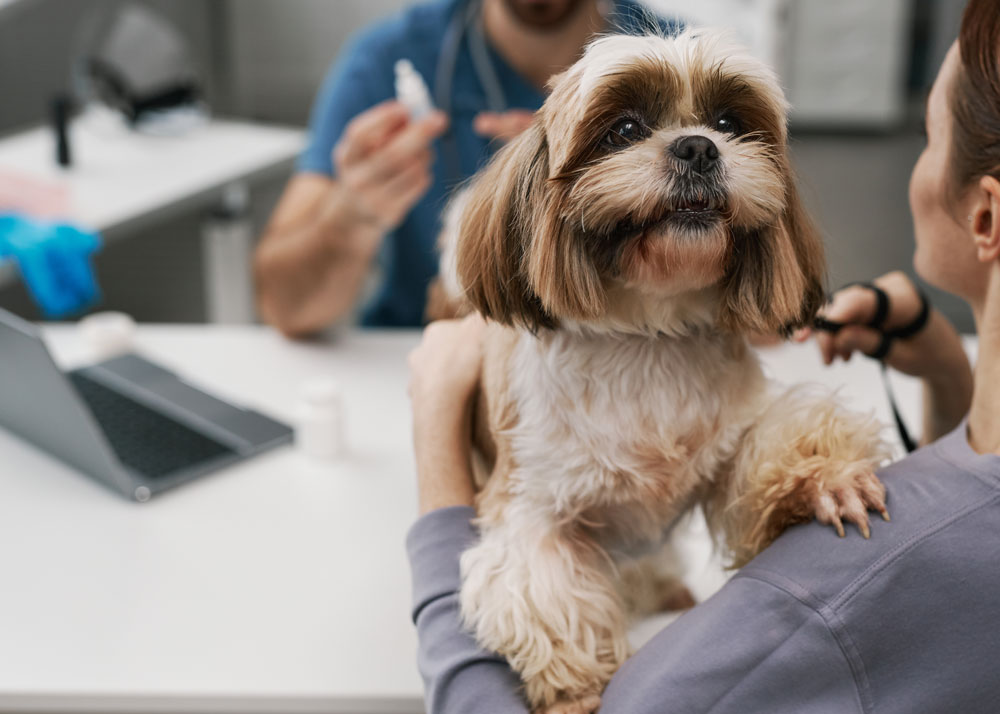
The Most Important Thing Every Pet Owner Needs to Know About Veterinary Care
While many pet owners only visit the veterinarian when something is clearly wrong, the truth is that the most important thing you can do for your pet is to prioritise preventative veterinary care through regular wellness check-ups. When it comes to caring for your pet, there is one principle that stands above all others: prevention is always better than cure.
Pets age much faster than humans and, instinctively, they often hide signs of pain or illness. By the time symptoms become obvious, the condition may already be advanced. Regular veterinary visits allow for early detection, timely intervention, and ultimately a longer, healthier life for your beloved companion.
Why Preventative Care Matters
Preventative care is the foundation of responsible pet ownership. Routine check-ups enable your veterinarian to establish a baseline of your pet’s normal health, making it easier to spot subtle changes over time.
These visits are not just about vaccinations—they are comprehensive “nose-to-tail” examinations that assess your pet’s overall well-being, including weight, dental health, heart function, skin condition, and more.
Early detection can:
- Prevent minor issues from becoming serious
- Reduce long-term veterinary costs
- Improve treatment outcomes
- Extend your pet’s quality and length of life
In many cases, conditions such as kidney disease, arthritis, or dental infections develop silently. Without routine exams, they may go unnoticed until they significantly impact your pet’s health.
Essential Components of Veterinary Care
1. Regular Wellness Exams
The frequency of vet visits depends on your pet’s age:
- Adult pets: At least once a year
- Puppies & kittens: Every 3–4 weeks during their first year
- Senior pets (7+ years): Every 6 months
These check-ups are vital for monitoring growth, detecting early disease, and keeping vaccinations up to date.
2. Vaccinations
Vaccinations are the cornerstone of preventative care. They protect your pet from serious and often life-threatening diseases such as:
- Rabies
- Distemper
- Parvovirus
Keeping your pet’s vaccinations current not only protects them but also contributes to the health of the wider animal community.
3. Parasite Prevention
Parasites are more than just a nuisance—they can cause severe illness and even be life-threatening.
Routine prevention should include:
- Flea and tick control
- Deworming for intestinal parasites
- Heartworm prevention (where applicable)
Year-round protection is far more affordable and effective than treating a full-blown infestation or disease.
4. Dental Health
Dental care is one of the most overlooked aspects of pet health. Yet, poor oral hygiene can lead to:
- Painful infections
- Tooth loss
- Bacteria entering the bloodstream, affecting organs like the heart and kidneys
Regular dental check-ups, combined with home care, can make a significant difference in your pet’s comfort and longevity.
Your Role: Being Your Pet’s Voice
Unlike humans, pets cannot tell us when something feels wrong. This makes your role as their advocate incredibly important.
Know What’s “Normal”
Pay attention to your pet’s:
- Appetite
- Energy levels
- Drinking habits
- Bathroom routine
Even small changes can be early warning signs of illness.
Prepare for Vet Visits
Make the most of every consultation by:
- Bringing a list of current medications
- Noting any changes in behaviour or appetite
- Sharing details about diet and lifestyle
Clear communication helps your veterinarian make accurate assessments.
Follow Through on Treatment
If your vet prescribes medication or treatment:
- Administer it exactly as directed
- Complete the full course—even if your pet seems better
Stopping treatment early can lead to relapse or resistance, especially with infections.
When to Seek Immediate Veterinary Care
While routine visits are essential, there are times when you should not wait for a scheduled appointment. Seek immediate veterinary attention if your pet shows:
- Difficulty breathing
- Sudden collapse or weakness
- Persistent vomiting or diarrhoea (over 24 hours)
- Inability to urinate
- A swollen or painful abdomen
- Sudden behavioural changes or extreme lethargy
These symptoms can indicate serious, potentially life-threatening conditions that require urgent care.
Responsible Pet Ownership Starts Before You Bring Them Home
Veterinary care doesn’t begin at the clinic—it starts with the decisions you make before getting a pet.
1. Research
Understanding your chosen pet’s needs is critical. Different species and breeds have unique:
- Health risks
- Dietary requirements
- Exercise needs
Consulting a veterinarian before bringing a pet home can help you make an informed decision.
2. Commitment
Pets are lifelong companions. Dogs and cats can live 10–15 years or more, requiring consistent care, attention, and love throughout their lives.
Owning a pet means committing to:
- Daily care and interaction
- Long-term health needs
- Emotional responsibility
3. Training
Training is essential, especially for dogs. Proper training:
- Prevents behavioural issues
- Strengthens the human-animal bond
- Ensures safety for both pet and owner
4. Lifestyle Compatibility
Your lifestyle should match your pet’s needs. Consider:
- Time available for care and exercise
- Travel commitments
- Living arrangements
Choosing the right pet for your lifestyle helps prevent stress and behavioural problems.
5. Financial Responsibility
Pet ownership comes with ongoing costs, including:
- Veterinary care
- Food and supplies
- Emergency treatments
Planning ahead—through savings or pet insurance—can prevent difficult decisions during medical emergencies.
6. Thoughtful Gifting
Pets should never be given as surprise gifts. Every pet deserves a home where:
- All family members are prepared
- Responsibilities are clearly understood
- Long-term commitment is assured
7. Space and Environment
Ensure your home is suitable for your pet:
- Is it safe and secure?
- Is there enough space?
- Are pets allowed on the property?
A comfortable environment is essential for your pet’s well-being.
Partnering With Your Veterinarian
One of the most important relationships you will build as a pet owner is with your veterinarian. Think of them not just as a service provider, but as a partner in your pet’s health journey.
A trusted vet will:
- Guide you through every life stage of your pet
- Provide preventative care and treatment
- Offer advice on nutrition, behaviour, and general care
Establishing this relationship early ensures your pet receives consistent, high-quality care throughout their life.
Final Thoughts
Owning a pet is one of life’s greatest joys—but it also comes with immense responsibility. The single most important thing you can do is to stay proactive about your pet’s health.
By prioritising preventative care, staying observant, and working closely with your veterinarian, you are giving your pet the best possible chance at a long, happy, and healthy life.
In return, they will reward you with unwavering loyalty, companionship, and love—every single day.