
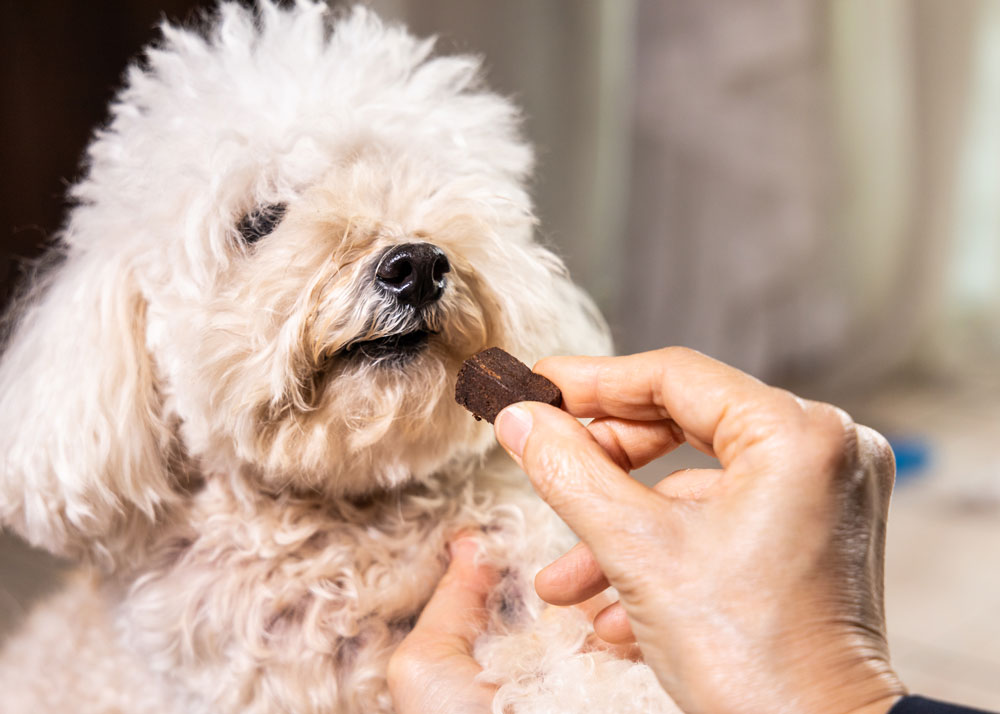
Chocolate might be a favourite treat for humans, but for dogs it is toxic and can be dangerous and even life-threatening. Every year, veterinary clinics treat countless cases of chocolate ingestion, especially around holidays and celebrations when chocolate is more accessible in the home.
If your dog has eaten chocolate, acting quickly can make all the difference. Understanding why chocolate is toxic, what signs to look out for, and what steps to take can help protect your pet and potentially save their life.
Chocolate contains two substances that are harmful to dogs: theobromine and caffeine. While humans can process these compounds easily, dogs metabolise them much more slowly, allowing toxic levels to build up in their system.
These substances primarily affect the central nervous system and the heart, leading to overstimulation. They also act as diuretics, meaning they increase urination and can quickly lead to dehydration.
In addition, many chocolate products are high in fat and sugar, which can cause digestive upset or even trigger pancreatitis, a serious and painful condition.
Which Types of Chocolate Are Most Dangerous?
Not all chocolate carries the same level of risk. The toxicity depends on the concentration of theobromine and caffeine, which varies between different types of chocolate.
From most toxic to least toxic:
- Cocoa powder
- Unsweetened baking chocolate
- Dark chocolate (semisweet and bitter varieties)
- Milk chocolate
- Cocoa bean products
The darker and more bitter the chocolate, the more dangerous it is. Even small amounts of high-quality dark chocolate or baking chocolate can be extremely harmful, especially for smaller dogs.
For example, a relatively small quantity of baking chocolate can cause severe toxicity, while larger amounts of milk chocolate are required to have the same effect. However, no form of chocolate is completely safe for dogs.
How Much Chocolate Is Dangerous?
The level of toxicity depends on three main factors:
- Your dog’s size and weight
- The type of chocolate consumed
- The amount eaten
Smaller dogs are at significantly higher risk because even a small quantity can result in a high toxic dose. Larger dogs may tolerate slightly more, but this does not mean they are safe.
As a general rule, any chocolate ingestion should be treated as a potential emergency, particularly if you are unsure how much was consumed.
What Are the Signs of Chocolate Poisoning?
Symptoms can appear within 2 to 12 hours after ingestion and may last for up to 36 hours or longer in severe cases.
Common signs include:
- Vomiting
- Diarrhoea
- Increased thirst
- Frequent urination
- Restlessness or agitation
- Fast breathing
As toxicity progresses, more serious signs may develop:
- Rapid or irregular heart rate
- Hyperactivity or excitability
- Muscle tremors
- Lack of coordination
- Seizures
- Fever
- Collapse or coma
These symptoms can escalate quickly, which is why early intervention is critical.
What Should You Do Immediately?
If you suspect or know that your dog has eaten chocolate, take the following steps without delay:
1. Remove Access to the Chocolate
Ensure your dog cannot eat any more chocolate. Remove any remaining sweets or wrappers from their reach.
2. Gather Information
Try to determine:
- What type of chocolate was eaten
- How much was consumed
- When it happened
This information is extremely helpful for your veterinarian in assessing the risk.
3. Contact Your Veterinarian Immediately
Do not wait for symptoms to appear. Even if your dog seems fine, toxicity may still develop.
Call your vet or an emergency veterinary clinic and follow their advice. Time is a critical factor in successful treatment.
What Happens at the Vet?
Diagnosis is usually based on your dog’s history of chocolate ingestion along with a physical examination. Your veterinarian may also recommend blood tests or monitoring, depending on the severity of the case.
Treatment Options
Treatment will depend on how much chocolate was consumed and the symptoms your dog is showing.
Common treatments include:
- Inducing vomiting to remove chocolate from the stomach
- Activated charcoal to limit further absorption of toxins
- Intravenous fluids to prevent dehydration and support the body
- Anti-nausea medication and gastrointestinal protectants
- Medications to control tremors or seizures
- Heart medications if irregular rhythms occur
In many cases, dogs require hospitalisation for monitoring and supportive care.
Why Timing Matters
One of the most important factors in treating chocolate toxicity is how quickly treatment begins.
Chocolate is absorbed slowly in dogs, which means that even if a few hours have passed, inducing vomiting may still be effective. However, delaying treatment increases the risk of severe complications.
Early intervention can:
- Reduce toxin absorption
- Prevent severe symptoms
- Improve recovery outcomes
What Is the Prognosis?
The outcome depends on several factors:
- The amount and type of chocolate eaten
- Your dog’s size and health
- How quickly treatment is started
Dogs that receive prompt treatment after ingesting small amounts often recover well with minimal complications.
However, cases involving large quantities or highly toxic chocolate, especially when treatment is delayed, can become life-threatening. Severe symptoms such as seizures or collapse are associated with a poorer prognosis.
Can You Treat Chocolate Poisoning at Home?
No. Chocolate toxicity is not something that should be managed at home without veterinary guidance.
Do not attempt to induce vomiting unless specifically instructed by your veterinarian. Incorrect methods can cause additional harm.
Always seek professional advice immediately if your dog has eaten chocolate.
Prevention Is Always Better
The best way to protect your dog is to prevent access to chocolate altogether.
Simple preventative steps include:
- Keeping chocolate out of reach, especially during holidays
- Educating family members and children about the risks
- Avoiding leaving bags, gifts or treats unattended
- Being mindful of foods that contain hidden chocolate or cocoa
Remember, dogs are naturally curious and will often eat anything within reach.
Final Thoughts
Chocolate toxicity is one of the most common and preventable emergencies in dogs. While it can be frightening, knowing what to do can make all the difference.
If your dog eats chocolate, act quickly. Remove access, gather information, and contact your veterinarian immediately. Early treatment significantly improves the chances of a full recovery.
Your dog relies on you to keep them safe. A few simple precautions and quick action in an emergency can protect them from serious harm and ensure many more happy, healthy years together.