
Hot weather often brings more outdoor fun for our dogs. Swimming, playing in the rain, and longer walks are all part of the season. However, with rising temperatures comes a common and uncomfortable skin condition known as hot spots.
Hot spots, medically referred to as acute moist dermatitis, can develop quickly and become painful if not managed early. Understanding what causes them, how to treat them, and how to prevent them is essential for every dog owner.
What Are Hot Spots?
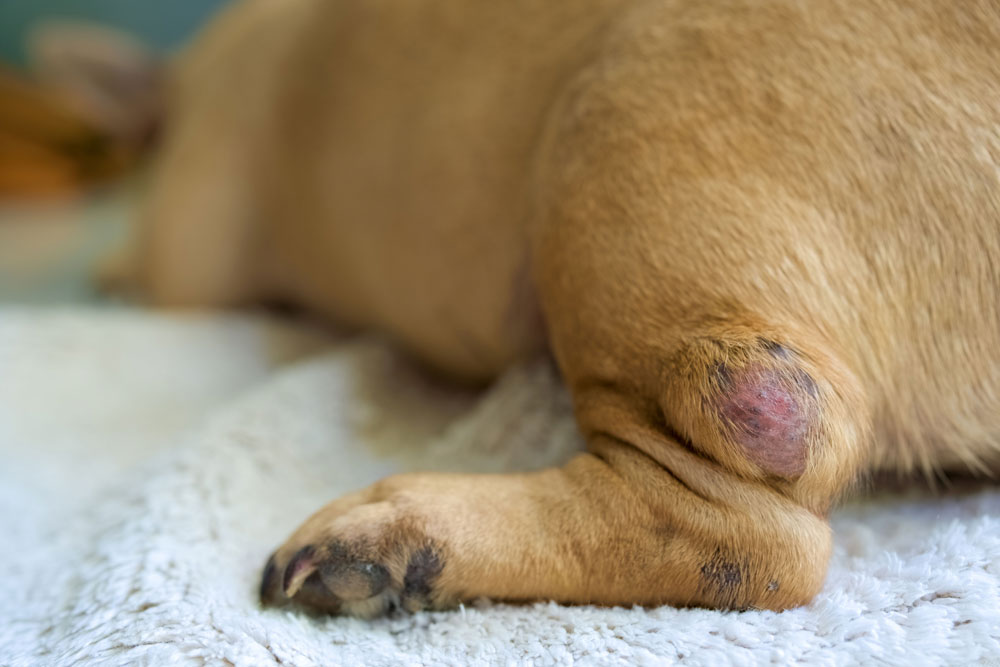
Hot spots are inflamed, red, moist areas on a dog’s skin that can appear suddenly and spread rapidly. They are often warm to the touch, which is where the name “hot spot” originates.
These sores are most common in dogs with long or thick coats, such as Newfoundlands, German Shepherd Dogs, and Golden Retrievers. Dogs with drop ears or dense, hairy coats are also more prone to developing this condition.
Although hot spots can occur at any time of year, they are far more common during warm, humid weather.
What Causes Hot Spots in Dogs?
Hot spots are usually the result of something that irritates the skin, causing the dog to lick, scratch, or chew excessively. This self-trauma damages the skin and creates the perfect environment for inflammation and infection.
1. Allergies and Parasites
One of the most common triggers is allergic reactions, often linked to environmental factors or food sensitivities. External parasites, particularly fleas, are a major contributor.
Even a small number of fleas can cause intense itching, leading to excessive scratching and the rapid development of a hot spot.
2. Moisture Trapped in the Coat
Water exposure plays a significant role, especially in warmer months.
Dogs that swim, wade through water, or are exposed to rain are at higher risk, particularly if they have thick or double coats that do not dry easily. Moisture trapped close to the skin creates a warm, humid environment that encourages bacterial growth.
Matted fur makes this worse, as it holds moisture against the skin and prevents proper airflow.
3. Ear Infections
Ear infections are another common cause, particularly in dogs with drop ears.
When ears remain wet after swimming or bathing, infections can develop. Dogs will often scratch or rub at their ears, which can lead to hot spots forming under or around the ear area.
4. Anal Gland Issues
Anal gland infections or discomfort can cause dogs to lick or chew around their hindquarters. This repeated irritation can lead to hot spots near the base of the tail.
Because this area is often hidden under fur, early signs can easily be missed without regular checks.
5. Excessive Licking and Chewing
Regardless of the initial cause, the biggest factor in worsening hot spots is the dog’s own behaviour.
Dogs instinctively lick and chew irritated areas, but this only increases inflammation, spreads bacteria, and delays healing. In many cases, the damage caused by licking is what turns a minor irritation into a significant skin lesion.
Recognising the Signs Early
Early detection is key to preventing hot spots from becoming severe.
Look out for:
- Red, inflamed patches of skin
- Moist or oozing areas
- Hair loss in a localised spot
- Constant licking, scratching, or chewing
- Signs of discomfort or pain when touched
Hot spots can develop within hours, so regular checks are important, especially during warmer months.
Home Care for Mild Hot Spots
If a hot spot is small, newly developed, and not showing signs of infection, it can often be treated at home.
Step 1: Clean the Area
Gently clean the affected area using a mild soap such as Dove, Aveeno, Cetaphil, or Castile soap. Alternatively, an antibacterial cleanser like chlorhexidine can be used.
This helps remove debris and reduce bacteria on the skin.
Step 2: Apply a Suitable Cream
Apply a first-aid cream such as Neosporin (cream form, not ointment) or a 1% hydrocortisone cream.
These products help reduce inflammation and soothe irritation. Application is usually needed three to four times a day.
For dogs that should avoid steroids, products containing pramoxine can provide effective pain relief.
Step 3: Protect the Area
Prevent your dog from licking or chewing the spot. An Elizabethan collar or a soft “donut” collar is often effective.
Stopping the licking is one of the most important steps in allowing the skin to heal.
Step 4: Allow Natural Healing
As the area begins to improve, it will form a scab. Once the redness reduces and the scab looks healthy, treatment can be stopped.
Do not remove the scab. Doing so can delay healing and reopen the wound.
When to See a Veterinarian
Hot spots can quickly become infected due to their moist nature.
Seek veterinary care if you notice:
- Increasing redness or swelling
- Heat in the area
- Pus or discharge
- No improvement within 24 hours
- Signs of significant pain
In these cases, your veterinarian may prescribe antibiotics, anti-inflammatory medication, or antihistamines to control the reaction and prevent further complications.
Preventing Hot Spots
Prevention is always better than treatment, especially with a condition that can escalate so quickly.
1. Maintain Parasite Control
Consistent flea and tick prevention is essential. Even minimal exposure can trigger intense irritation.
2. Keep Your Dog Clean and Dry
After swimming or getting wet, rinse your dog with clean water and dry them thoroughly.
Short-coated dogs may only need a towel, but long- or double-coated dogs often require brushing and even blow drying to ensure the coat is completely dry.
3. Groom Regularly
Remove mats and tangles to allow proper airflow through the coat. Regular grooming reduces the risk of moisture being trapped against the skin.
4. Check Ears Frequently
Inspect your dog’s ears daily for signs of redness, moisture, or discharge. Early detection of ear infections can prevent hot spots from developing.
5. Inspect Hidden Areas
Lift your dog’s tail weekly and check for any signs of irritation, licking, or discolouration. Also examine any areas your dog frequently scratches or chews.
Timing Is Critical
One of the most important things to remember is how quickly hot spots can worsen.
If the sore is more than 24 hours old, there is a strong chance that infection has already set in. Early intervention can make the difference between simple home care and the need for veterinary treatment.
Always approach the area gently. Hot spots can be painful, and a dog in discomfort may react defensively.
Final Thoughts
Hot spots are not an inevitable part of warm weather, but they are common. The good news is that with the right knowledge and proactive care, they can often be prevented or managed effectively.
By keeping your dog clean, dry, and protected from parasites, and by acting quickly at the first sign of irritation, you can avoid unnecessary discomfort for your pet.
Staying attentive to your dog’s skin health not only prevents hot spots but also supports their overall wellbeing.