
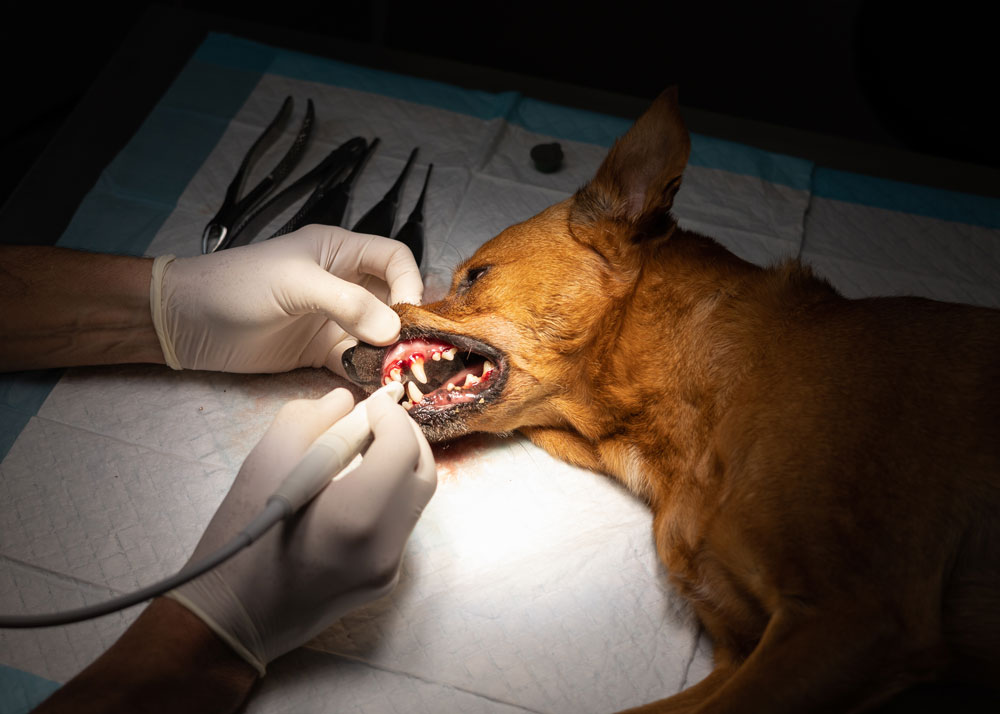
Dental care is one of the most commonly questioned veterinary expenses, and also one of the most misunderstood. Many pet owners compare animal dental procedures to their own visits to the dentist and assume the process should be similar, or even simpler. In reality, veterinary dental care is complex, highly technical, and resource-intensive.
Understanding what goes into a pet dental procedure helps explain both the cost and the importance of prioritising oral health for cats and dogs.
Dental Differences Across Species
Cats, dogs, and humans all have teeth, but that is where the similarities largely end.
Cats begin life with 26 deciduous teeth and develop 30 permanent teeth. Dogs start with 28 baby teeth and grow up to 42 permanent teeth. Humans, by comparison, have 20 baby teeth that are replaced by 32 adult teeth.
These differences are not random. They reflect the dietary needs and evolutionary roles of each species. Carnivores rely heavily on sharp premolars and molars designed for tearing and grinding, while human teeth are adapted for a mixed diet.
For veterinarians, this means working with a wide range of tooth sizes, shapes, and root structures, each presenting its own challenges during dental treatment.
Why Pet Tooth Extractions Are So Complex
A common misconception is that tooth extraction simply involves pulling out a problem tooth. In veterinary dentistry, extractions are often far more complicated.
Dogs and cats typically have long, curved roots that are firmly anchored into the jawbone. Many premolars and molars have multiple roots, each of which must be removed completely. Leaving even a small fragment behind can result in chronic pain, infection, or abscess formation.
To avoid these complications, veterinarians often need to section the tooth, carefully cutting it into smaller pieces before removal. In some cases, a surgical approach is required, including the creation of a dental flap to access the root safely and protect surrounding bone and tissue.
This level of precision takes advanced training, experience, and specialised equipment.
The Role of Anaesthesia in Pet Dentistry
Unlike humans, pets cannot be asked to sit still, open wide, or tolerate discomfort during dental procedures. For their safety and wellbeing, all professional dental cleanings and extractions are performed under general anaesthesia.
Anaesthesia allows the veterinarian to work thoroughly and pain free, ensuring that all plaque, tartar, and diseased tissue are addressed properly. It also prevents stress, injury, and aspiration of fluids during the procedure.
Before anaesthesia is administered, a full physical examination is performed. Blood tests are often recommended to assess organ function and reduce anaesthetic risk, particularly in older animals.
During the procedure, pets are continuously monitored for heart rate, oxygen levels, blood pressure, and temperature, just as they would be during any surgical intervention.
What a Pet Dental Procedure Includes
The cost of a dental procedure reflects far more than just the cleaning itself.
A comprehensive dental treatment may include:
-
A full oral examination under anaesthesia
-
Ultrasonic scaling above and below the gum line
-
Polishing to smooth the tooth surface and slow plaque build up
-
Dental radiographs to assess tooth roots and bone health
-
Surgical extractions if diseased teeth are present
-
Suturing and dental flap repair when required
-
Pain management and post procedure medication
-
Careful monitoring during recovery
Dental radiographs are particularly important. Many dental problems exist below the gum line and cannot be detected by visual inspection alone. X rays allow the veterinarian to identify hidden disease and make informed decisions that protect your pet’s long term health.
Why Dental Disease Should Not Be Ignored
Dental disease is extremely common in both cats and dogs, especially as they age. Without regular care, plaque hardens into tartar, leading to gum inflammation, infection, and tooth loss.
Advanced dental disease is painful. Pets often hide discomfort, but signs may include difficulty eating, weight loss, bad breath, drooling, or behavioural changes.
More importantly, bacteria from infected teeth and gums can enter the bloodstream. This can place strain on vital organs such as the heart, kidneys, and liver, contributing to serious systemic illness over time.
Preventative dental care helps reduce these risks and can prevent the need for more extensive and costly procedures later.
Are Dental Checkups Really Necessary?
Veterinarians strongly recommend annual physical examinations for all pets, including dental assessments. Regular check ups allow early detection of oral disease before it becomes painful or complicated.
Professional dental cleaning, combined with consistent home care, plays a key role in preventing periodontal disease and maintaining overall health.
Supporting oral hygiene at home with approved dental products can also make a significant difference.
Investing in Your Pet’s Health
While pet dental procedures may seem expensive at first glance, the cost reflects the level of expertise, equipment, anaesthesia, safety protocols, and aftercare involved.
Dental care is not a cosmetic service. It is an essential medical procedure that protects your pet from pain, infection, and long-term health complications.
By prioritising dental health early and maintaining regular veterinary check-ups, pet owners can improve the quality of life, reduce future medical costs, and ensure their companions remain comfortable and healthy for years to come.
Start prioritising dental care for your pets today. Their health, comfort, and longevity depend on it.